

Classic Solid Hardwood Flooring: Types, Installation & Maintenance
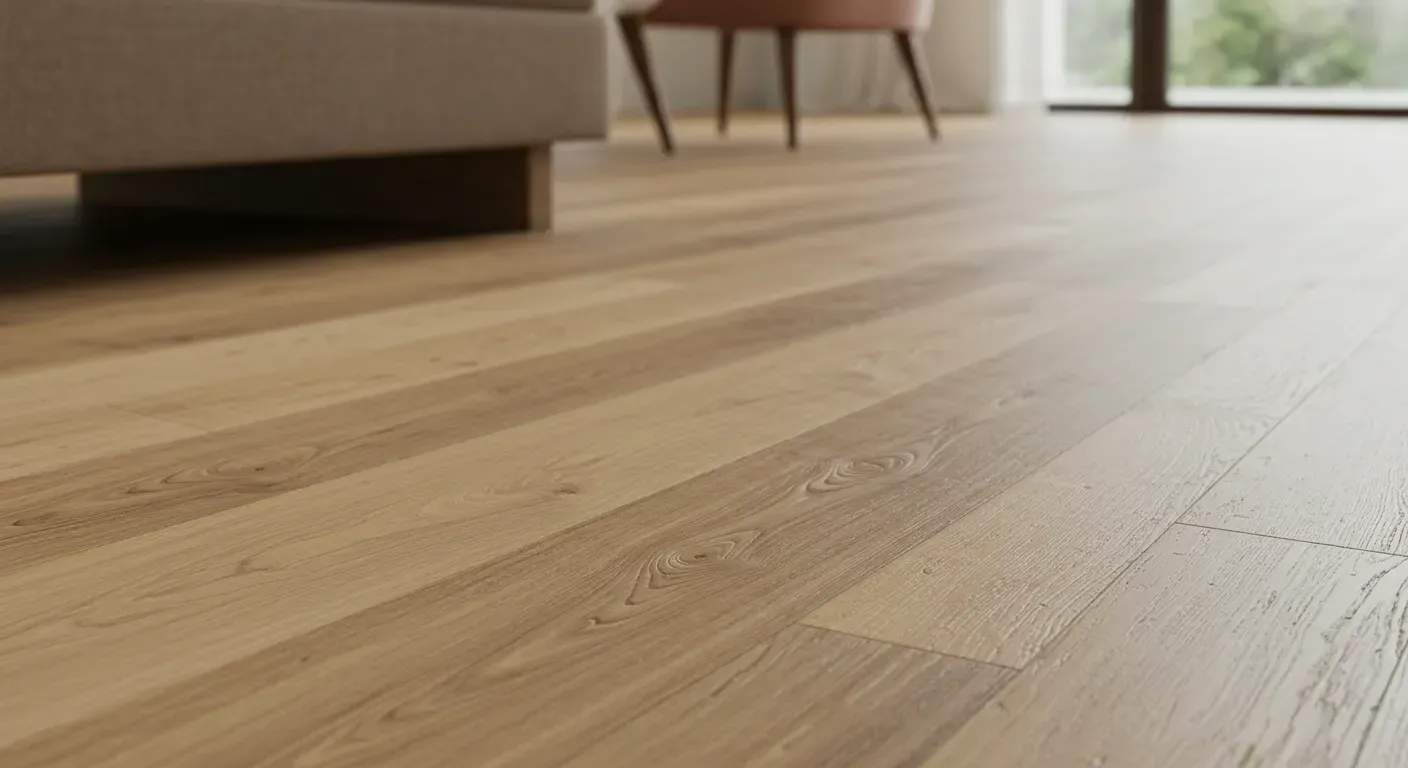
Classic solid hardwood flooring provides enduring elegance and natural warmth for residential and commercial spaces. Manufactured from a single piece of timber, solid hardwood delivers a robust, long-lasting surface with proven durability and visual appeal. This guide outlines common hardwood species, standard installation methods, and practical maintenance advice to support informed purchasing decisions. Understanding species characteristics and installation options helps homeowners choose the flooring best suited to their needs. The article covers primary hardwood types, installation approaches and costs, maintenance routines, and the advantages of selecting solid hardwood from Wholesale Carpet Co.
What Are the Key Types of Hardwood Flooring for Lasting Elegance?
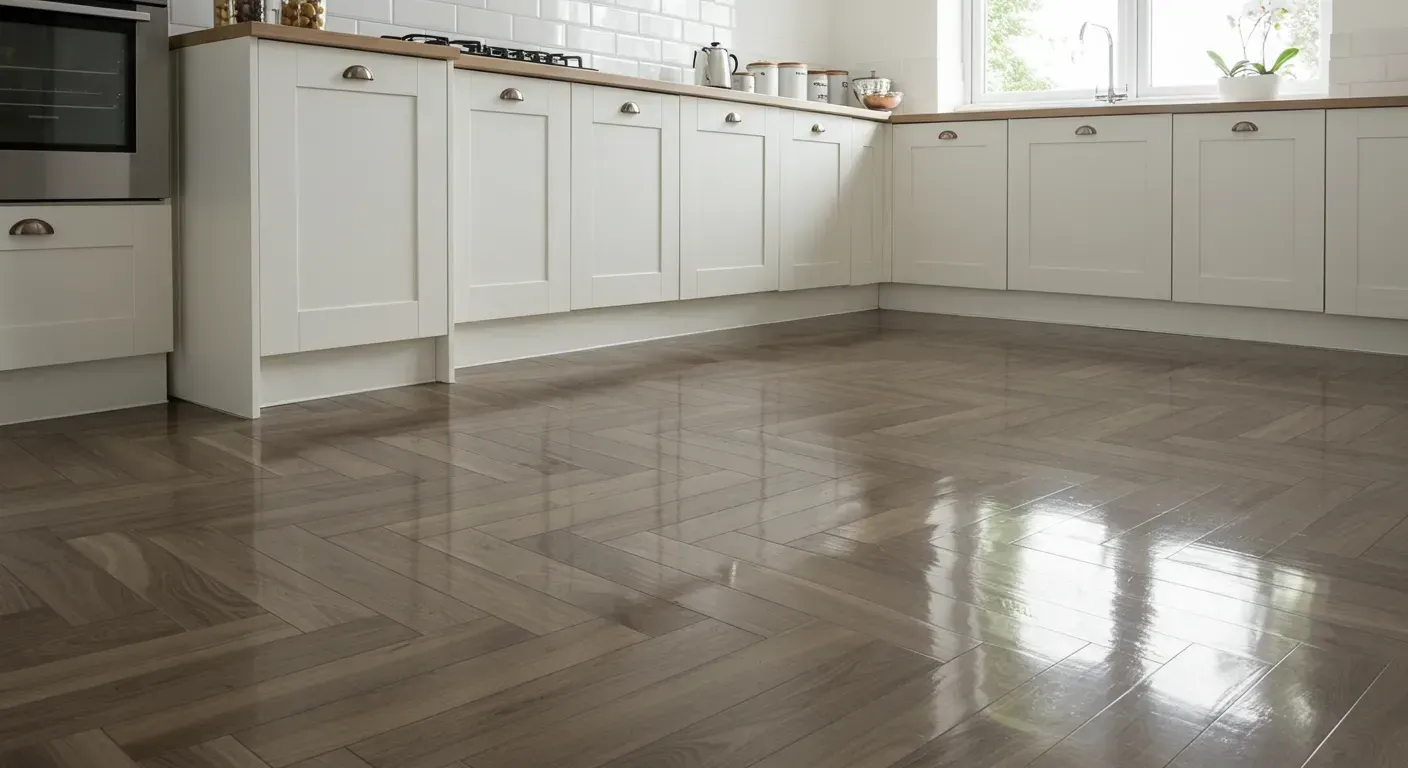
Hardwood flooring is available in several species, each with distinct performance and aesthetic profiles. Common choices include oak, maple, and cherry, which differ in grain pattern, color, and hardness. Oak is noted for its strength and versatility and suits a wide range of interiors. Maple offers a lighter tone and fine grain for a clean, contemporary appearance. Cherry develops richer, warmer tones over time, adding a more luxurious character to interiors.
How Do Solid Oak and Other Wood Species Compare in Durability and Style?
Durability and appearance vary by species and should guide selection. Solid oak is prized for its hardness and resistance to wear, making it appropriate for high-traffic areas. Softer species, such as pine, are more prone to denting but deliver a rustic aesthetic. Visually, oak’s pronounced grain provides texture and character, while maple’s subdued figure yields a more uniform look. Price differences are also a factor: oak commonly offers cost efficiency relative to exotic hardwoods like mahogany or teak, which command higher prices due to limited supply and distinctive appearance.
Which Installation Methods and Costs Should Homeowners Expect?
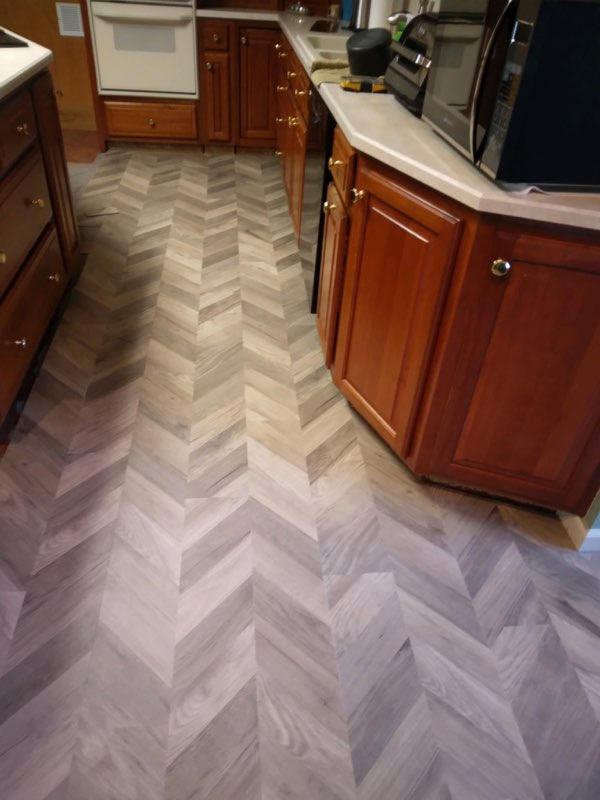
Several installation methods are commonly used for solid hardwood, each with cost and substrate considerations. Nail-down installation fastens planks to a wooden subfloor using nails and is a traditional, stable approach. Glue-down installation adheres planks to the subfloor with adhesive and is often preferred for concrete substrates. Floating installations allow planks to rest over the subfloor without permanent fastening, simplifying installation and removal in some applications.
What Are the Benefits of Nail Down vs. Glue Down Hardwood Floor Installation?
Nail-down and glue-down installations offer different practical benefits. Nail-down installations provide stability and long-term performance for solid hardwood and accommodate natural expansion and contraction, reducing warping risk. Glue-down installations produce a seamless appearance and can improve sound control, which benefits multi-story buildings. Cost profiles differ: nail-down methods often have lower material costs, while glue-down installations may require greater labor investment.
How Can You Maintain Solid Hardwood Floors for Long-Term Beauty?
Routine maintenance preserves hardwood appearance and service life. Regular sweeping or vacuuming removes abrasive dirt and grit that cause surface wear. Controlling indoor humidity is essential because excess moisture can lead to warping or buckling. Establishing a refinishing interval—commonly every three to five years depending on traffic—helps restore the finish and protect the wood.
What Are Proven Tips to Preserve Traditional Wood Floors?
Effective preservation strategies reduce wear and extend service life. Place area rugs in high-traffic zones to limit abrasion. Apply an appropriate protective finish to resist scratches and stains. Maintain a stable indoor environment with relative humidity between 30% and 50% to minimise dimensional movement. These measures help ensure hardwood floors remain attractive and functional over time.
Why Choose Classic Solid Hardwood Flooring from Wholesale Carpet Co?
Selecting classic solid hardwood from Wholesale Carpet Co delivers value through a direct-to-consumer model and quality-focused sourcing. By eliminating intermediaries, the company offers competitive pricing on a broad selection of solid hardwood products. Wholesale Carpet Co’s quality-assurance processes help ensure customers receive durable, well-finished flooring that meets aesthetic and performance expectations.
How Does Direct Online Purchasing Ensure Affordability and Quality?
Direct online purchasing streamlines procurement and supports cost savings. Customers can review a wide range of solid hardwood options remotely, compare specifications and pricing, and make informed selections. Combined with the company’s quality control measures, the online channel enables homeowners to purchase flooring that aligns with their design and durability requirements without unnecessary markups. Choosing Wholesale Carpet Co provides access to classic hardwood aesthetics alongside the efficiencies of direct buying.
Frequently Asked Questions
What factors should I consider when choosing hardwood flooring?
Consider wood species, durability rating, color, grain pattern, and finish when selecting hardwood. Species differ in hardness and visual character; for example, oak is robust and versatile, while maple offers a cleaner, modern look. Also assess room traffic, local humidity conditions, and personal style. Finally, include installation method and associated costs in your decision, as they affect both budget and long-term satisfaction.
How can I prevent scratches and dents on my hardwood floors?
Minimise scratches and dents by using area rugs in busy areas and installing felt pads under furniture legs. Regular sweeping or vacuuming removes abrasive particles that damage the finish. Avoid wearing high-heeled shoes or cleats indoors, and maintain stable indoor humidity to reduce the risk of deformation and surface damage.
What is the best way to clean hardwood floors?
Use a soft-bristle broom or a vacuum with a hardwood floor attachment to remove dust and grit. For thorough cleaning, use a slightly damp mop with a pH-neutral cleaner formulated for hardwood. Avoid excessive water exposure. Consistent cleaning combined with periodic refinishing preserves shine and protects the floor from wear.
How often should I refinish my hardwood floors?
Refinishing is typically required every three to five years, depending on foot traffic and surface wear. Indicators that refinishing is needed include dullness, persistent scratches, and discoloration. Regular maintenance and protective finishes can extend the interval between refinishing; address significant wear promptly to restore appearance and protection.
Can I install hardwood flooring myself, or should I hire a professional?
Some homeowners undertake DIY installations, but professional installation is generally recommended for complex layouts or where precise fit and finish are critical. Experienced installers have specialised tools and techniques that reduce installation errors and potential repair costs. If choosing a DIY approach, follow manufacturer instructions and installation standards closely.
What are the environmental impacts of choosing hardwood flooring?
Hardwood flooring can have both positive and negative environmental effects. Sustainably sourced lumber from responsibly managed forests supports conservation and biodiversity. Conversely, unsustainable harvesting and deforestation cause habitat loss and ecological harm. To reduce environmental impact, select products with recognised certifications such as the Forest Stewardship Council (FSC), which indicate responsible sourcing practices.


