

Commercial vs Residential Carpet: Differences & Selection Guide
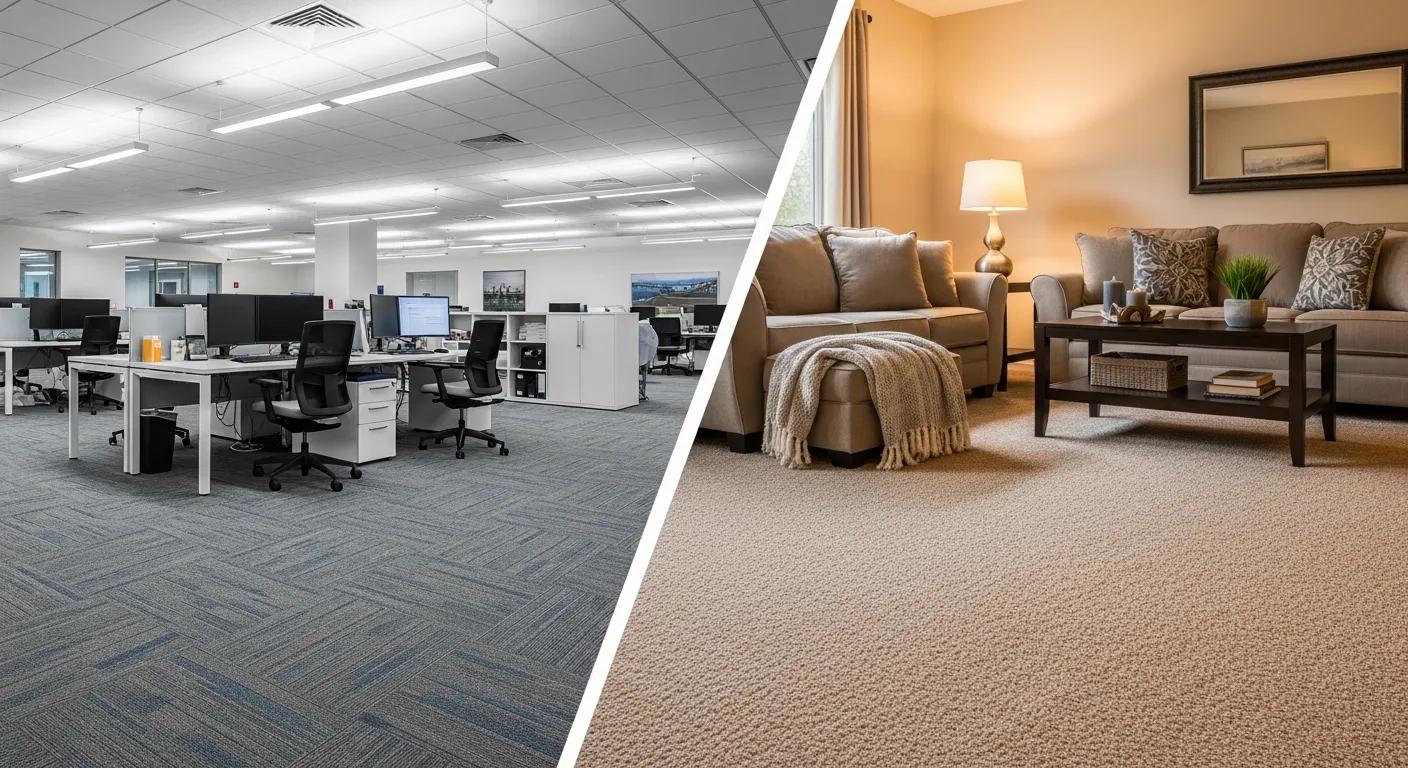
Choosing the right carpet for your space can significantly impact both functionality and aesthetics. Understanding the differences between commercial and residential carpets is essential for making an informed decision. This article will explore the key distinctions, including durability, design, and intended use, helping you determine which type of carpet best suits your needs. Many consumers struggle with selecting the appropriate carpet due to the vast array of options available. By clarifying these differences, we aim to simplify your decision-making process. We will cover the main differences between commercial and residential carpets, the best types for high-traffic areas, and the styles that offer the best comfort and aesthetic appeal.
Commercial vs. Residential Carpets: Key Differences Explained
Commercial and residential carpets serve different purposes and are designed with distinct characteristics. Commercial carpets are typically engineered for high durability and heavy foot traffic, making them ideal for businesses and public spaces. In contrast, residential carpets prioritize comfort and aesthetic appeal, catering to the needs of home environments. Understanding these differences can help you choose the right carpet for your specific application.
How Do Durability and Usage Requirements Vary Between Commercial and Residential Carpets?

Durability is a critical factor when comparing commercial and residential carpets. Commercial carpets are constructed to withstand significant wear and tear, often featuring robust fibers and reinforced backing. This durability is essential for environments like offices, retail spaces, and schools, where foot traffic is high. On the other hand, residential carpets focus on comfort and style, using softer fibers that may not hold up as well under heavy use. Homeowners often prioritize aesthetics and comfort over extreme durability, making residential carpets suitable for living rooms and bedrooms.
Which Carpet Types and Fibers Are Commonly Used in Commercial vs. Residential Settings?
The types of fibers used in commercial and residential carpets differ significantly. Common commercial carpet fibers include nylon and polypropylene (olefin), known for their resilience and stain resistance. These materials are ideal for high-traffic areas, ensuring longevity and ease of maintenance. In contrast, residential carpets often utilize softer fibers like polyester and wool, which provide a plush feel and enhance comfort. Understanding the fiber types can help you select a carpet that meets your specific needs, whether for a bustling office or a cozy home.
Which Commercial Carpet Types Are Best for High Traffic Areas?
When selecting carpets for high-traffic areas, certain types stand out due to their durability and performance. Berber carpets, for example, are specifically designed to handle heavy foot traffic while maintaining their appearance over time. These carpets feature looped fibers that resist crushing and wear, making them an excellent choice for commercial spaces.
What Are the Durability Ratings and Fiber Materials That Enhance Commercial Carpet Performance?
Durability ratings for commercial carpets are often based on the fiber material and construction method. Nylon, for instance, is known for its exceptional strength and resilience, making it a popular choice for high-traffic environments. Additionally, carpets with a high twist level and density are more likely to withstand heavy use without showing signs of wear. Understanding these ratings can help you choose a carpet that will perform well in demanding settings.
How Do Installation Methods Affect Commercial Carpet Longevity and Cost?
The installation method can significantly impact the longevity and cost of commercial carpets. Glue-down installations, for example, provide a secure fit that can enhance durability, especially in high-traffic areas. Conversely, modular carpet tiles offer flexibility and ease of replacement, making them a cost-effective option for businesses. Evaluating the installation method alongside the carpet type can help you make a more informed decision regarding your flooring investment.
Wholesale Carpet Co. offers a variety of commercial carpet options, including durable Berber carpets and modular tiles, designed to meet the needs of high-traffic environments. Their selection ensures that you can find the right fit for your business while maintaining affordability.
What Residential Carpet Styles Offer the Best Comfort and Aesthetic Appeal?
Residential carpets come in various styles that enhance comfort and aesthetics. Plush pile carpets, for instance, provide a soft and luxurious feel underfoot, making them ideal for bedrooms and living areas. Additionally, stain-resistant options are available, offering both beauty and practicality for families with children or pets.
How Do Different Residential Carpet Fibers Impact Comfort and Maintenance?
The choice of fiber in residential carpets directly affects both comfort and maintenance. Wool carpets, while luxurious, require more upkeep due to their natural fibers. In contrast, synthetic fibers like polyester offer a balance of comfort and ease of maintenance, making them suitable for busy households. Understanding these differences can help you select a carpet that aligns with your lifestyle and maintenance preferences.
Indeed, the ongoing maintenance of residential carpets is a crucial factor, as studies show it can significantly contribute to both environmental impact and total ownership costs.
Residential Carpet Maintenance & Life Cycle Costs
Maintenance procedures may account for a significant portion of environmental and economic impacts of floorings. In the case of environmental scores, adding high maintenance to the life cycle can increase scores by anywhere from 31 % (hardwood) to 114 % (carpet). A sensitivity analysis of these scores shows that most of the score increase can be attributed to vacuuming. Maintenance costs considerably increase the total cost, accounting for 49 % of hardwood’s total cost and about 30 % of costs for linoleum, vinyl, and carpet.
Impact of maintenance on life cycle impact and cost assessment for residential flooring options, 2015
What Are Popular Residential Carpet Styles and Their Benefits?

Several popular residential carpet styles cater to different tastes and needs:
- Plush Pile Carpet: Offers a soft, luxurious feel, perfect for cozy living spaces.
- Berber Carpet: Known for its durability and stain resistance, ideal for high-traffic areas.
- Frieze Carpet: Features twisted fibers that provide a casual look and excellent durability.
These styles not only enhance the aesthetic appeal of your home but also provide practical benefits tailored to your lifestyle. For those looking to purchase residential carpets, Wholesale Carpet Co. offers a range of options that combine comfort and style.
How Much Does Carpet Installation Cost for Commercial and Residential Projects?
The cost of carpet installation can vary significantly between commercial and residential projects. Factors such as the type of carpet, installation method, and the size of the area all contribute to the overall expense. Generally, commercial installations may incur higher costs due to the need for specialized materials and techniques.
What Installation Methods Influence the Overall Cost?
Different installation methods can affect the overall cost of carpet installation. Glue-down methods tend to be more expensive due to the materials required, while stretch-in installations may offer a more budget-friendly option. Understanding these methods can help you make a more informed decision regarding your flooring project.
Are There Cost-Effective Options Like Modular Carpet Tiles for Commercial Spaces?
Modular carpet tiles present a cost-effective solution for commercial spaces. These tiles allow for easy replacement and maintenance, making them an attractive option for businesses looking to manage costs without sacrificing quality. Additionally, they come in various styles and colors, providing flexibility in design.
| Installation Method | Cost Range | Benefits |
|---|---|---|
| Glue-Down | $2.50 – $5.00 per sq. ft. | Secure fit, ideal for high-traffic areas |
| Stretch-In | $1.50 – $3.50 per sq. ft. | Budget-friendly, easy to install |
| Modular Tiles | $2.00 – $4.00 per sq. ft. | Flexible design, easy to replace |
This table illustrates the cost implications of various installation methods, helping you choose the best option for your project.
In summary, understanding the differences between commercial and residential carpets is crucial for making an informed decision. By considering factors such as durability, fiber types, and installation methods, you can select the right carpet that meets your needs and enhances your space.


