

DIY vs Professional LVP Installation: Which Is Right for Your Home?
By Wholesale Carpets
Choosing between DIY and professional installation of luxury vinyl plank (LVP) flooring is an important decision. This guide compares the two approaches to help you decide. It covers cost, skill requirements, installation techniques, and the advantages and drawbacks of each method so you can select the approach that best fits your budget, timeline, and quality expectations.
LVP Installation Costs: DIY vs Professional Guide

Cost is a major consideration when choosing between DIY and professional LVP installation. DIY can reduce labor expenses but carries risk; repair costs from installation errors can accumulate. Professional installation typically costs $1.50 to $5 per square foot, depending on job complexity and location.
Below is a comparison of typical costs associated with each method.
| Installation Method | Average Cost per Square Foot | Potential Additional Costs |
|---|---|---|
| DIY | $1 – $3 | Tools, materials, mistakes |
| Professional | $1.50 – $5 | Labor, warranty coverage |
The table shows that while DIY may be less expensive initially, installation mistakes can increase total cost.
Skill Requirements
DIY installation requires a basic understanding of flooring techniques, tools, and materials. Homeowners should be comfortable measuring, cutting, and laying planks. Professional installers bring formal training and field experience that help ensure a consistent, high-quality finish.
Assess your skills honestly. If you lack confidence in measurement, cutting, or layout, hiring a professional is a prudent choice to avoid costly errors.
Installation Techniques
Installation methods for LVP vary. Many DIYers choose click-lock LVP, which allows planks to snap together without adhesives or nails, simplifying both installation and removal.
Professional installers may use glue-down or nail-down methods for a more secure fit, which is often recommended for high-traffic areas. Understanding these techniques will help you select the system best suited to your space.
What Are the Key Differences Between DIY and Professional LVP Installation?
When comparing DIY and professional LVP installation, several key differences emerge.
- Cost: DIY can save money, but mistakes can lead to higher expenses.
- Quality: Professionals typically deliver a higher quality finish due to their experience.
- Time: DIY projects may take longer, especially for those unfamiliar with the process.
How Does Click Lock Vinyl Plank Flooring Simplify Installation?
Click-lock vinyl plank systems are engineered for straightforward installation. Planks snap together without adhesives or nails, which reduces installation time and often allows installation over most existing floors, avoiding extensive subfloor preparation.
What Tools and Materials Are Required for Each Installation Method?
Tools and materials differ by installation method. The following lists outline common requirements for DIY and professional approaches.
- DIY Installation:Measuring tapeUtility knifeStraight edgeSpacersClick-lock LVP planks
- Professional Installation:All DIY toolsTrowel (for glue-down methods)Flooring nailer (for nail-down methods)Additional materials like underlayment and adhesives
Knowing the required tools and materials helps you prepare appropriately for the chosen installation method.
What Are the Benefits and Challenges of DIY LVP Installation?
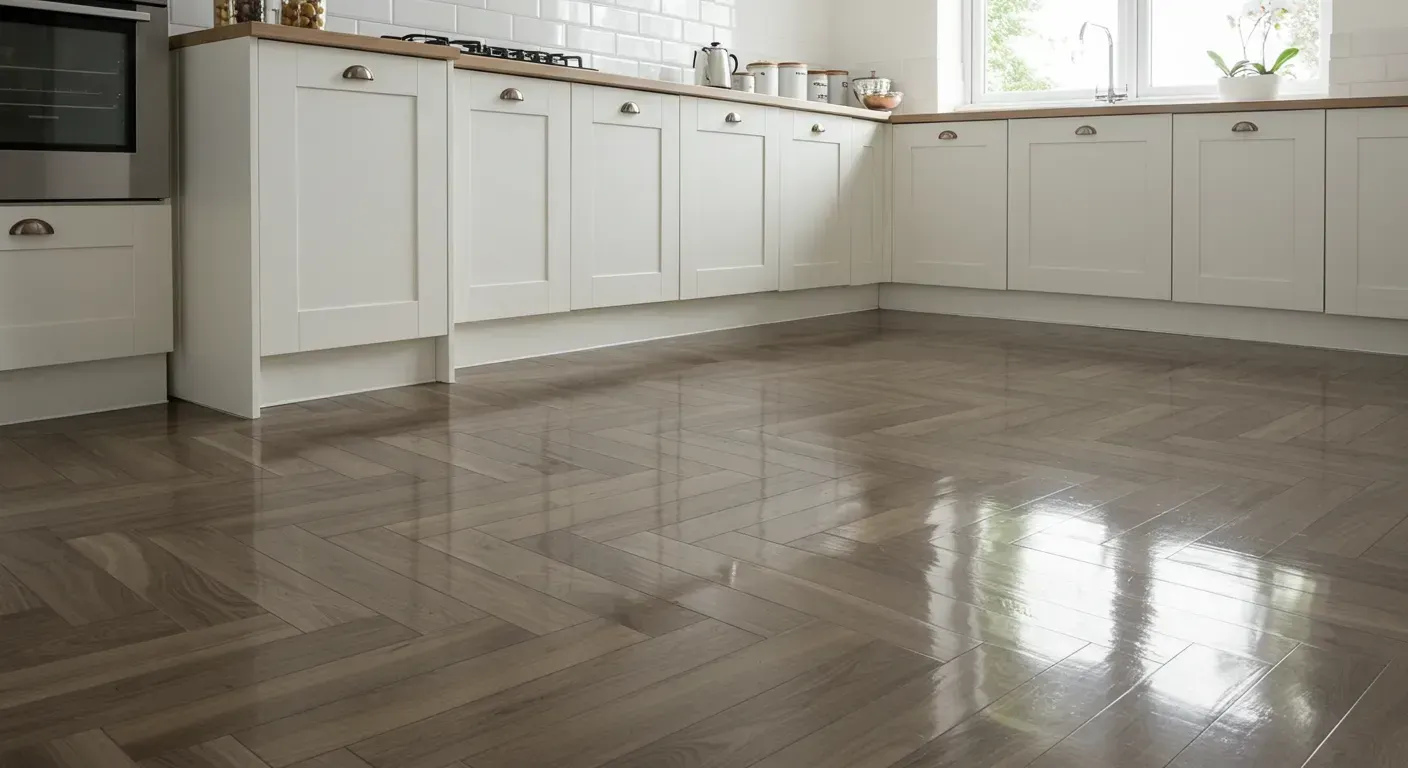
DIY LVP installation can reduce labor costs and provide the satisfaction of completing a home improvement project. It also requires time, careful attention, and a basic level of skill; mistakes may be costly to correct.
- Benefits:Cost savings on laborFlexibility in schedulingPersonal satisfaction
- Challenges:Risk of errorsTime-consumingRequires some skill and knowledge
Which Vinyl Plank Installation Tips Ensure a Successful DIY Project?
To achieve a successful DIY LVP installation, follow proven steps and manufacturer guidance.
- Plan Ahead: Measure your space accurately and purchase enough materials.
- Acclimate the Planks: Allow the planks to acclimate to the room temperature and humidity before installation.
- Follow Instructions: Adhere to the manufacturer’s guidelines for installation.
Following these recommendations helps you avoid common pitfalls and improves the final appearance.
What Common Installation Mistakes Should DIYers Avoid?
DIYers should avoid common installation errors that can compromise performance. Key mistakes include:
- Skipping the Underlayment: Not using an underlayment can lead to moisture issues and affect the flooring’s lifespan.
- Improper Acclimation: Failing to acclimate the planks can cause expansion or contraction after installation.
- Incorrect Measurements: Always double-check measurements to avoid cutting planks incorrectly.
Avoiding these errors improves the durability and appearance of your installation.
When Should You Hire Professional LVP Installers?
There are situations where hiring a professional is advisable. If you lack the necessary skills or tools, or if the project includes complex layouts or large areas, a professional installer can deliver a reliable, high-quality finish.
How Does Professional Installation Impact LVP Flooring Cost and Warranty?
Professional installation typically increases the overall project cost but often includes warranty coverage that protects your investment. Many manufacturers require professional installation to maintain warranty validity, so this requirement is an important factor to consider.
What Are the Advantages of Expert Installation for Long-Term Durability?
Professional installation enhances long-term performance by reducing the likelihood of issues such as warping or buckling. Installers can also provide maintenance guidance to help extend the service life of your flooring.
How Do DIY and Professional LVP Installation Compare in Cost and Time?
Cost and time vary based on project scope, installer experience, and site conditions. These factors determine whether DIY or professional installation is more appropriate for your situation.
- Cost: DIY can be cheaper initially, but mistakes can lead to higher costs.
- Time: Professionals can often complete the job more quickly due to their experience and efficiency.
What Are the Typical Cost Estimates for DIY vs Professional Installation?
Typical cost estimates vary by method. DIY installation generally ranges from $1 to $3 per square foot, while professional installation typically ranges from $1.50 to $5 per square foot.
How Does Installation Time Differ Between DIY and Professional Methods?
Installation time can differ significantly. A skilled professional can often complete the installation in a fraction of the time it would take an inexperienced DIYer. For example, a project that might take a DIYer a weekend could be completed in a day by a professional.
Ultimately, the choice between DIY and professional installation depends on your budget, skill level, and the complexity of the job. Professional installation is often the best option for long-term quality and durability, while DIY can be suitable if you have the time and competence to do the work correctly. For quality LVP options, consider the selection available at Wholesale Carpet Co, where you can compare affordable luxury vinyl planks to meet your needs.
Frequently Asked Questions
What is the average lifespan of luxury vinyl plank flooring?
Luxury vinyl plank (LVP) flooring typically lasts 10 to 25 years, depending on product quality and foot traffic. Higher-quality LVP with thicker wear layers generally endures longer. Regular cleaning and prompt management of moisture, along with following the manufacturer’s care instructions, will help extend the floor’s lifespan.
Can I install LVP over existing flooring?
Yes. LVP can often be installed over existing floors such as tile or hardwood if the surface is clean, dry, and level. Installing over an existing floor can save time and disposal costs. Always check the manufacturer’s guidelines, as some products require specific underlayment or preparation for a successful installation.
What maintenance is required for luxury vinyl plank flooring?
Maintenance for LVP is straightforward. Regular sweeping or vacuuming removes dirt and debris. Occasional mopping with a manufacturer-recommended cleaner keeps the surface clean. Avoid harsh chemicals and abrasive tools. Using entry mats helps reduce wear. These practices will keep your LVP in good condition and extend its service life.
Is luxury vinyl plank flooring waterproof?
Many LVP products are designed to be waterproof and are suitable for moisture-prone areas such as kitchens and bathrooms. Verify the specifications of the product you choose, since not all LVP is fully waterproof. Even with waterproof LVP, standing water should be removed promptly to prevent potential issues over time.
How do I choose the right thickness for LVP flooring?
LVP thickness commonly ranges from 4mm to 8mm. Thicker planks generally provide greater durability and improved sound insulation, making them suitable for high-traffic areas. Thicker options can also help mask subfloor imperfections, but they may cost more. Balance durability needs with your budget when selecting thickness.
What should I do if my LVP flooring gets damaged?
If LVP is scratched or damaged, minor blemishes can often be treated with a soft cloth or a vinyl floor cleaner. Deeper scratches or dents may require replacing the affected plank. Many LVP products use a click-lock system, which simplifies removal and replacement of individual planks without replacing the entire floor.
Can I use steam cleaners on luxury vinyl plank flooring?
Steam cleaners are generally not recommended for LVP, as high heat and moisture can damage planks and adhesives. Use a damp mop with a manufacturer-approved cleaner instead. This method cleans effectively without risking damage, helping your floors remain in good condition for years.


