

Berber Carpet for High-Traffic Areas: A Homeowner’s Guide
By Wholesale Carpets, Wholesale Carpets
Choosing the right flooring for high-traffic areas affects both appearance and function. Durable Berber carpet is a strong candidate for residential and commercial spaces because of its loop construction and resilience. This guide explains Berber’s key features, benefits, and practical considerations to help homeowners and trade professionals choose with confidence. Many people need flooring that endures daily wear without sacrificing style or comfort; the following sections cover selection criteria, maintenance, performance, cost, and installation to support an informed decision.
Comprehensive Guide on Durable Berber Carpet for High-Traffic Areas
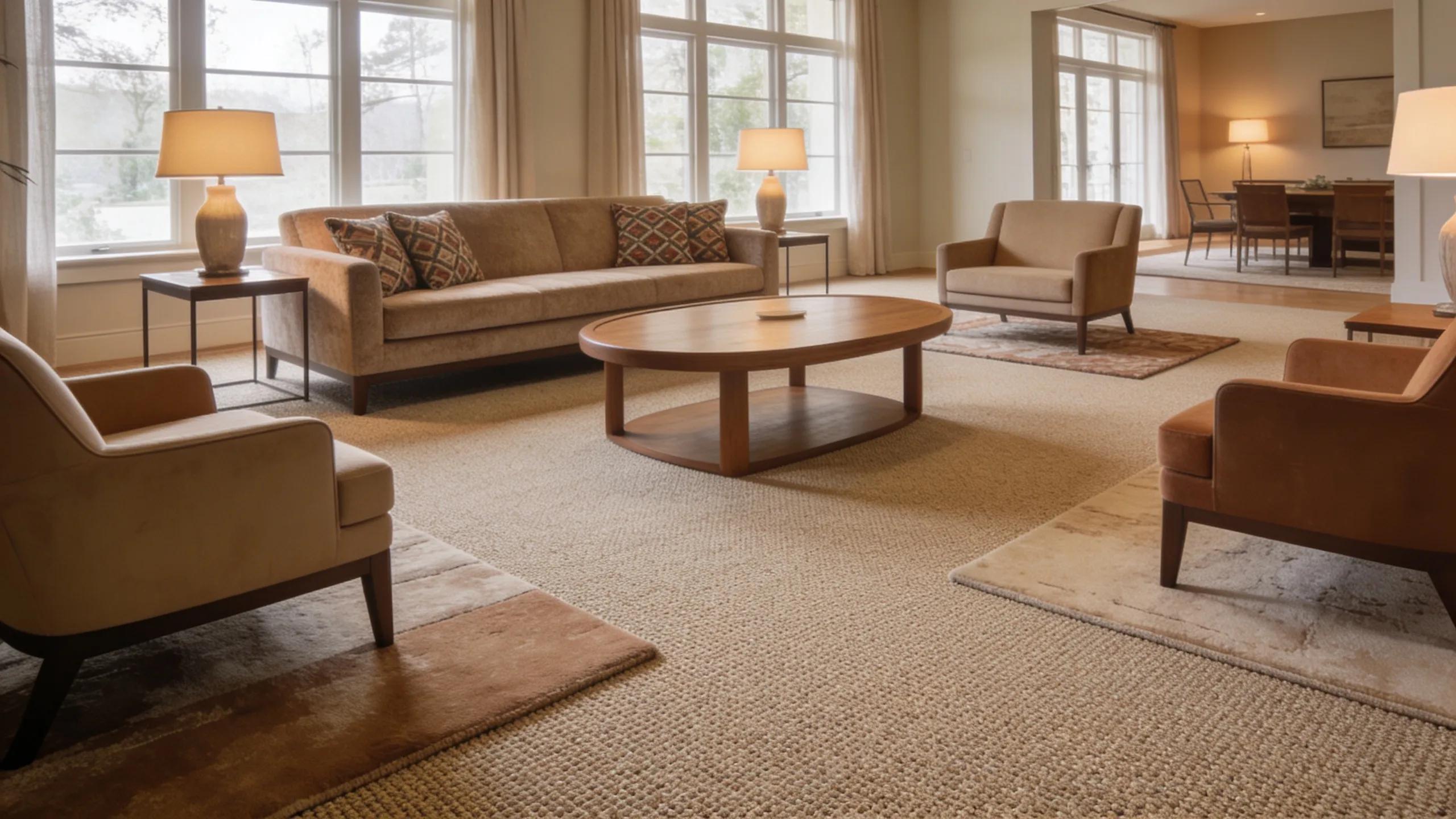
Berber is a loop-pile carpet valued for durability and clean lines, making it well suited to high-traffic locations. Its densely packed loops create a firm surface that resists crushing and everyday wear, so it performs well in entryways, hallways, and busy offices. Another practical benefit is its ability to conceal dirt and light staining, which helps maintain a tidy appearance in frequently used spaces.
Berber carpets come in a range of styles, colours, and textures, allowing customization to match interiors. That versatility makes them easy to integrate into different design schemes while delivering long-term performance. Many options are produced with sustainable materials, providing an environmentally conscious choice for projects where that matters.
1. Key Factors for Selecting Durable Berber Carpet:
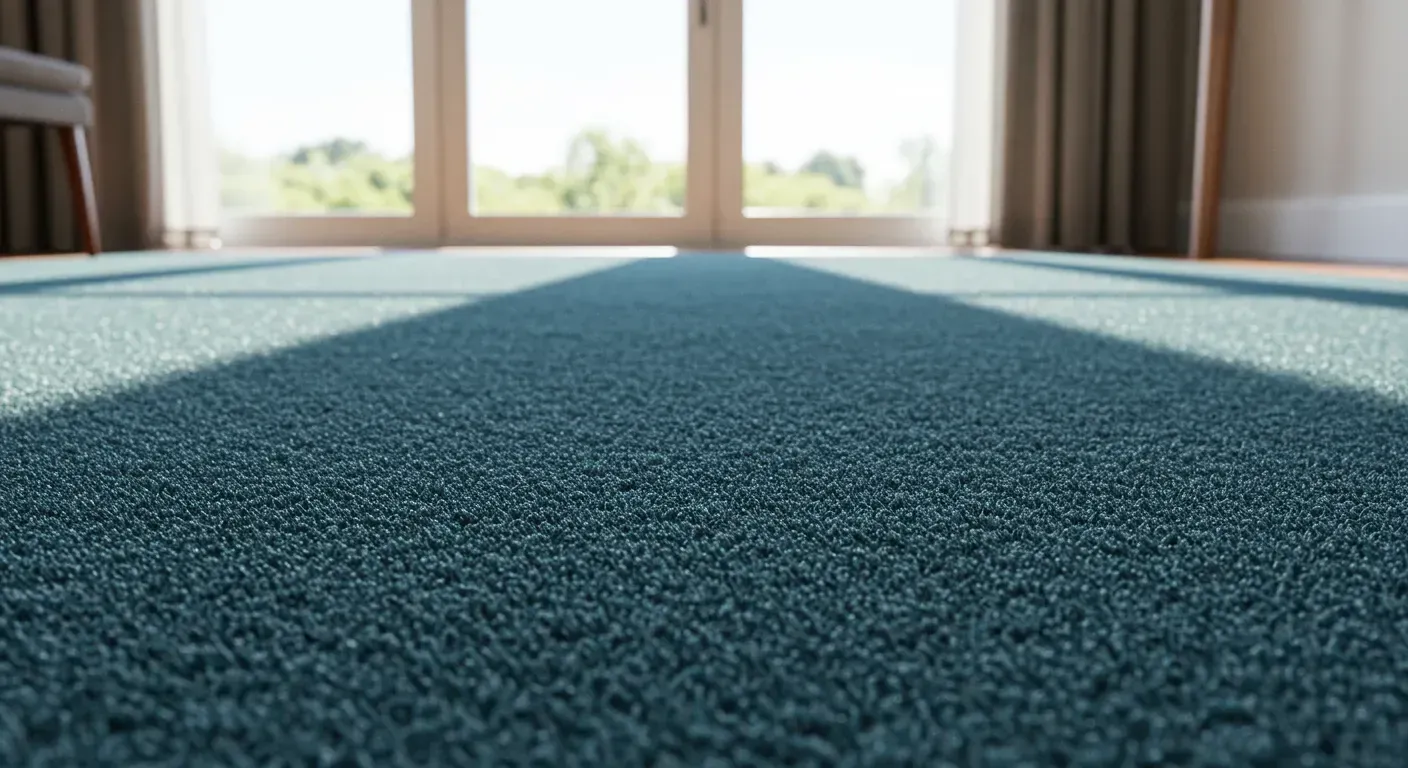
When choosing Berber for high-traffic areas, focus on criteria that affect wear resistance and maintenance. Prioritise construction, fibre type, stain protection, and pile height to ensure the product meets your performance needs.
- Durability Factors: Look for carpets specifically constructed for high traffic. Models featuring nylon or olefin fibers demonstrate exceptional durability while resisting wear and tear.
- Stain Resistance: Opt for stain-resistant carpets, as spills and dirt are common in high-traffic areas. Stain-resistant treatments can extend the life of your carpet significantly.
- Fiber Type and Pile Height: Different fiber types, such as nylon and olefin, have unique properties. For instance, nylon Berber carpets provide excellent resilience, while olefin options offer water resistance. Additionally, a lower pile height typically increases durability.
Selecting products that match these factors will help preserve the carpet’s appearance and function in busy environments, reducing the need for early replacement.
2. Maintenance Tips:
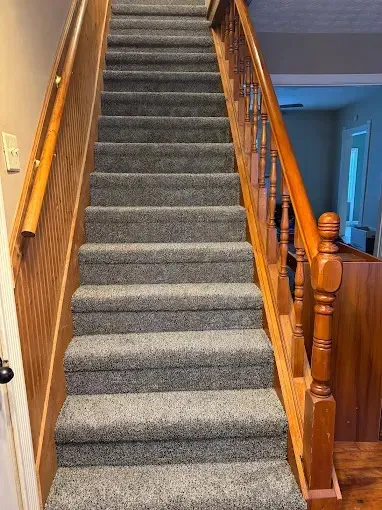
Routine maintenance preserves Berber carpet performance and appearance. Regular cleaning and timely professional care prevent premature wear and keep fibres resilient.
- Regular Cleaning Practices: Vacuum your carpet regularly, at least once a week, to remove dirt and debris. Frequent cleaning will prevent particles from settling into the fibers and causing wear.
- Spot Cleaning: Address spills immediately using a clean cloth and a mild detergent. Avoid using harsh chemicals, as they may damage the fibers or finish of the carpet.
- Professional Cleaning: Schedule professional deep cleaning every 12 to 18 months to keep your carpet in optimal condition. This process removes ground-in dirt and rejuvenates the carpet fibers.
Follow a consistent cleaning schedule and treat stains promptly to extend the carpet’s life and maintain a fresh appearance in high-use areas.
Performance Characteristics:
Berber’s performance is defined by its loop construction and material choices. These characteristics deliver a balance of comfort, durability, and value compared with other floor coverings.
- Comfort and Aesthetic Appeal: The looped texture of Berber carpet provides a soft and comfortable feel underfoot, making it suitable for areas where people frequently stand or walk.
- Longevity and Cost-Effectiveness: Berber carpets are inherently durable and can last for years with proper care, making them a cost-effective flooring solution. Although the initial investment may be higher, the longevity of the carpet often leads to lower costs over time.
- Comparison with Alternative Flooring: Compared to hard surface flooring, Berber carpets offer better sound absorption and warmth, particularly useful in residential environments.
Those attributes explain why Berber is often chosen for high-traffic zones where durability, comfort, and long-term value are priorities.
3. Cost Considerations:
Price influences the final decision; understanding upfront and long-term costs helps you budget accurately while choosing the right product for traffic demands.
- Price Ranges: Durable Berber carpets typically range from $2 to $7 per square foot, depending on the material and brand.
- Cost-Effectiveness Over Time: While initially higher in price than some traditional carpets, Berber’s durability translates to less frequent replacements, thereby offering better value in the long run.
- Retailer Comparisons: It’s advisable to compare prices across various retailers, as promotions or sales may significantly affect your total costs.
Consider both purchase price and expected lifespan to determine the most economical option for your project while meeting performance needs.
4. Installation Recommendations:
Correct installation is essential for the carpet to perform as intended. Attention to preparation and technique reduces the risk of installation-related failures.
- Importance of Professional Installation: Hiring a professional ensures that the carpet is installed correctly, which can prevent issues such as buckling or wrinkling over time.
- Subfloor Preparation: Ensure the subfloor is clean, dry, and level before installation. Any imperfections can lead to uneven wear or damage.
- Common Issues and Prevention: Address common installation problems such as improper seam alignment or rug bulging by relying on professional installers who are experienced in handling Berber carpets.
Use qualified installers and prepare the subfloor properly to maximise durability and avoid common problems like buckling or uneven wear.
Frequently Asked Questions
What is the best way to clean Berber carpet?
Vacuum weekly to remove surface dirt and debris. For spills, blot immediately with a clean cloth and mild detergent, avoiding harsh chemicals. Arrange professional deep cleaning every 12 to 18 months to remove embedded soil and refresh the fibers.
How does Berber carpet compare to other flooring types?
Berber provides greater warmth and sound absorption than hard surfaces, plus cushioning underfoot. Its loop construction and durable fibres also resist wear and stains better than many traditional carpets, making it a strong option for busy areas.
Can I install Berber carpet myself, or do I need a professional?
DIY installation is possible, but professional fitting is recommended to prevent buckling, seams issues, and other problems. Professionals also ensure the subfloor is prepared correctly, which supports longevity.
What types of Berber carpet fibers are available?
Common fibers include nylon, olefin, and polyester. Nylon offers strong resilience and durability, olefin resists moisture and mildew, and polyester provides softer texture and vibrant colour options. Choose the fibre that best matches your performance and aesthetic needs.
How long can I expect my Berber carpet to last?
With proper care, Berber carpet typically lasts between 5 and 15 years, depending on material quality and traffic levels. Regular cleaning, prompt spill treatment, and periodic professional cleaning all help extend its service life.
Is Berber carpet suitable for pets?
Berber can work well in homes with pets when made from durable, stain-resistant fibres like nylon or olefin. Its looped construction hides pet hair and dirt, though some animals may catch or pull loops, so observation is advised.
Are there eco-friendly options for Berber carpet?
Yes. Many Berber carpets now use recycled fibres or renewable materials and carry certifications such as Green Label Plus or low-VOC ratings. Choosing certified products reduces environmental impact while maintaining durability.


