

Frequently Asked Questions
What factors should I consider when choosing flooring for high-traffic areas?
Durability and maintainability are the primary considerations for high-traffic spaces. Specify materials that resist scratches, stains, and moisture. Luxury vinyl planks and ceramic or porcelain tile perform well due to their resilience and straightforward cleaning. Also assess safety and comfort; slip-resistant surfaces reduce accident risk. Finally, select a finish that complements your overall design while meeting performance needs.
How can I determine the right flooring thickness for my needs?
Thickness affects durability, comfort, and acoustic performance. For carpet, greater pile and padding provide more cushioning and insulation—suitable for bedrooms and living areas. Luxury vinyl planks commonly range from 4 mm to 8 mm; thicker planks improve sound insulation and long-term wear. Evaluate the subfloor condition and the room’s intended use before finalising thickness to ensure optimal performance.
Are there any specific flooring options that are better for allergy sufferers?
Hard surface floors such as luxury vinyl, tile, and laminate are preferable for allergy management because they do not trap dust, pet dander, or other allergens. Bamboo and cork, when produced to industry standards, can also reduce allergen accumulation. Prioritise products that are simple to clean and maintain to support a healthier indoor environment.
What are the environmental impacts of different flooring materials?
Environmental impact varies by material and lifecycle. Traditional carpets may contain synthetic fibres and chemicals that can emit VOCs. Renewable options like bamboo and cork are biodegradable and have lower lifecycle impact when sourced responsibly. Luxury vinyl planks are durable but are manufactured from PVC, which raises sustainability concerns. Consider sourcing, manufacturing, and end-of-life disposal when evaluating environmental performance.
How can I enhance the acoustics in a room with hard flooring?
To reduce noise and echo on hard floors, add area rugs or carpets to absorb sound. Install acoustic underlayment beneath hard surface flooring to dampen impact noise. Soft furnishings—curtains, upholstered furniture—and strategically placed shelving or wall panels will further absorb and diffuse sound energy.
What should I know about flooring trends for the upcoming year?
Current trends emphasise sustainability and natural materials. Expect increased demand for reclaimed wood and bamboo. Bold colours and patterned luxury vinyl and tile provide more design flexibility, while textured finishes and mixed-material installations add visual interest and depth to interiors.
What Are the Best Flooring Materials for Durability and Value?
Durability and long-term value should guide material selection. The best options balance lifespan with cost and maintenance requirements. Carpet and luxury vinyl planks are common choices: carpet delivers warmth and comfort, while luxury vinyl planks provide superior resilience and low-maintenance performance. Reviewing these differences will help you select the most appropriate product for each space.
Further research offers a wider perspective on how materials are assessed for performance, cost, and suitability.
Evaluating & Selecting Flooring Materials
The study found that flooring materials achieved a top score of 32.1%, the highest percentage among the ten flooring types evaluated in the research.
A framework of selecting building flooring finishing materials by using building information modeling (BIM), 2022
How Do Carpet and Luxury Vinyl Planks Compare in Durability?
Carpet and luxury vinyl planks have distinct longevity profiles. Carpet typically endures between 5 and 15 years, depending on fibre quality and maintenance, and is more prone to staining and wear in high-traffic zones. Luxury vinyl planks generally last 15 to 25 years or longer and resist moisture, scratches, and stains. That durability often reduces long-term replacement and maintenance costs.
The durability and relatively low VOC emissions of vinyl contribute to its broad application in building interiors.
Vinyl Flooring Durability & Indoor Air Quality
Vinyl’s toughness and durability have made it one of the most widely used plastics in building and construction applications. A notable indoor air quality benefit is that many vinyl flooring products are low in VOCs.
Hallmark Floors Vinyl 101
What Are the Benefits of Choosing Eco-Friendly Flooring Options?
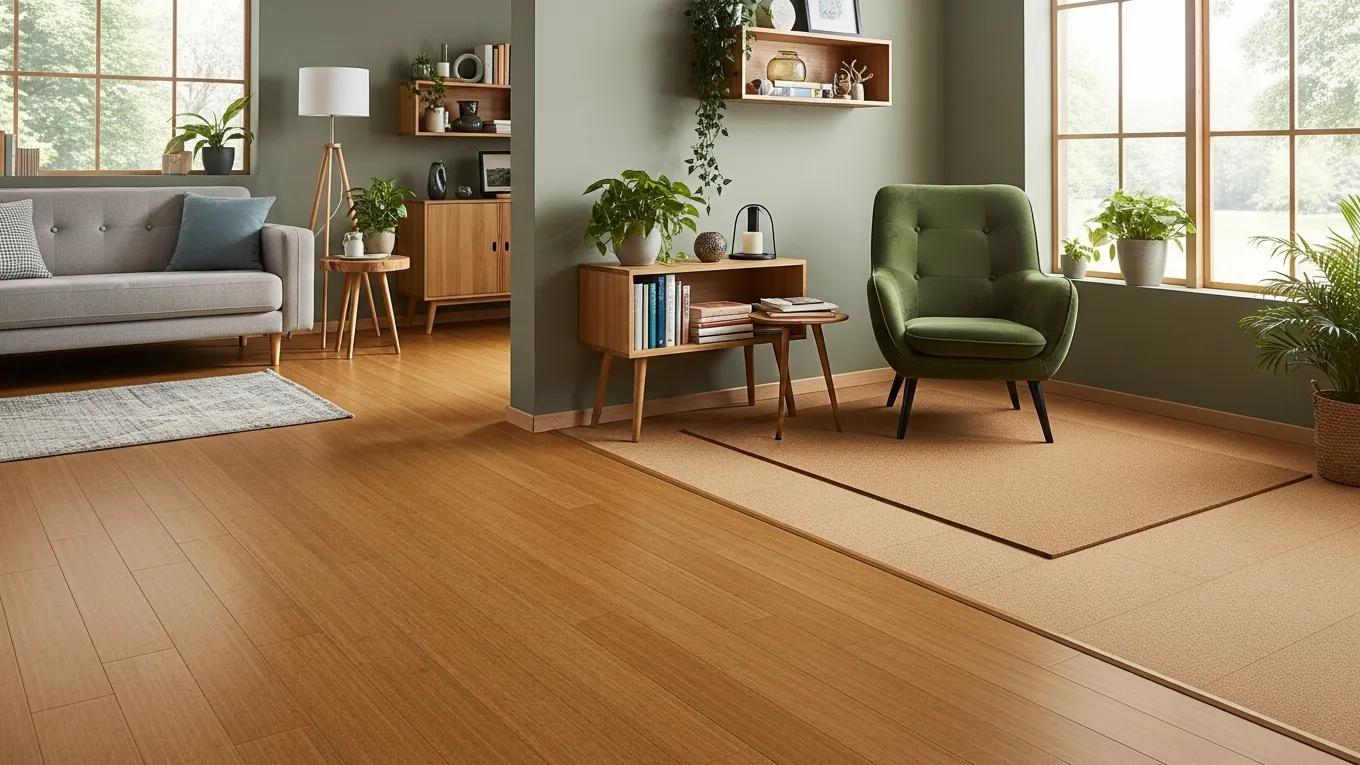
Eco-friendly materials such as bamboo, cork, and recycled composites reduce environmental impact while offering distinctive aesthetics. These products can also contribute to improved indoor air quality when manufactured with low-emission processes. Many eco options provide satisfactory durability, making them a practical choice for homeowners who prioritise sustainability without sacrificing performance.
Top Flooring Installation Tips for Homeowners and Contractors
Correct installation is essential to achieve the expected lifespan and performance of any flooring. Follow manufacturer instructions, prepare the substrate properly, and select installation methods suited to the material and site conditions to avoid common failures and ensure warranty compliance.
What Are the Recommended Installation Methods for Carpet and Luxury Vinyl Planks?
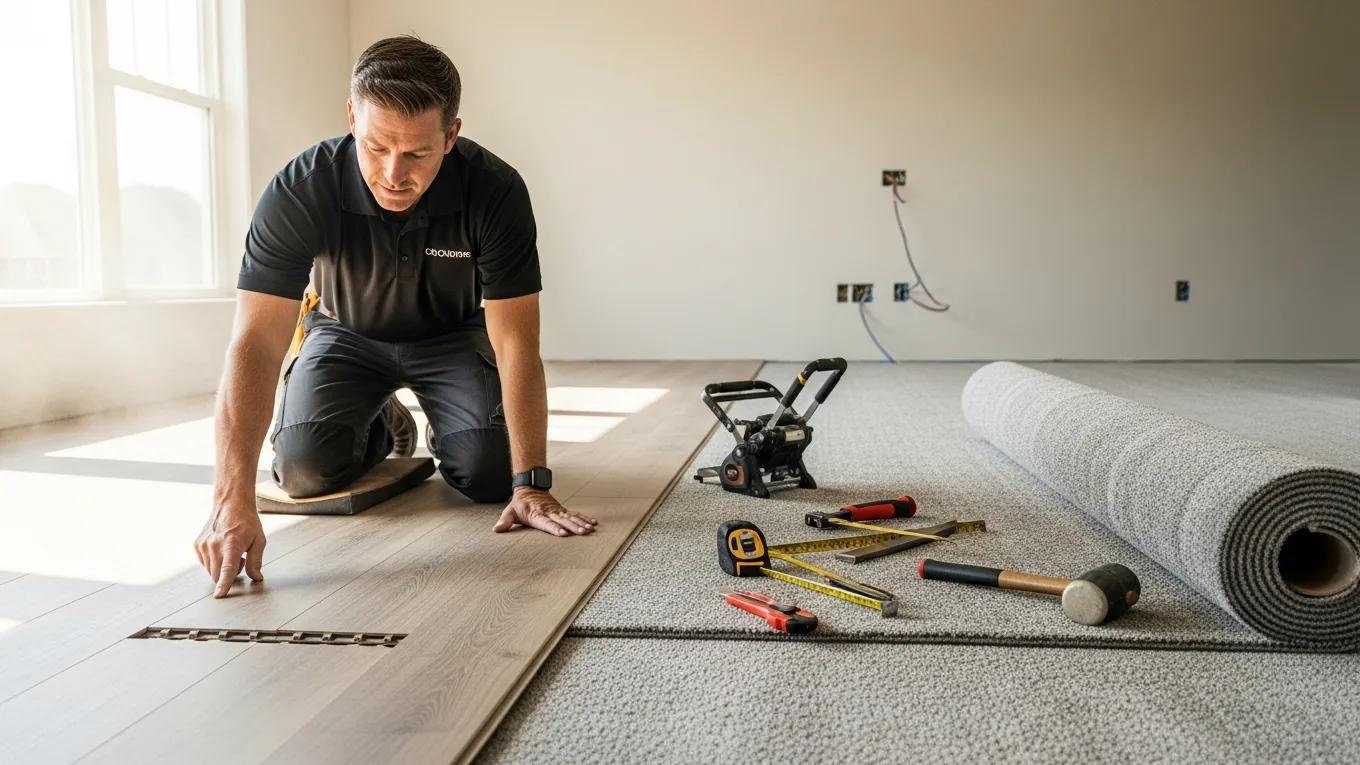
Carpet is commonly installed via stretch-in methods using tack strips or by glue-down systems in moisture-prone areas. Luxury vinyl planks may be installed as floating floors with interlocking edges or with glue-down adhesives for a permanent installation. Choose the method that matches the substrate, moisture conditions, and expected traffic.
How Long Does Professional Flooring Installation Typically Take?
Installation time varies with material, area size, and complexity. Carpet can often be installed in a few hours up to a full day for larger rooms. Luxury vinyl plank installations typically require one to three days. Plan schedules to minimise disruption and allow for proper acclimation and site preparation.
How Should Flooring Be Maintained to Ensure Longevity and Appearance?
Routine maintenance preserves appearance and extends service life. Each material requires specific care—follow manufacturer recommendations to avoid premature deterioration and to maintain warranty eligibility.
What Are Best Practices for Cleaning and Maintaining Carpet and Vinyl Floors?
For carpet, vacuum weekly and arrange professional deep cleaning every 12 to 18 months. For luxury vinyl planks, sweep or vacuum regularly and use a damp mop with a neutral, manufacturer-approved cleaner. Avoid abrasive tools and harsh chemicals that can damage finishes.
How Can Flooring Maintenance Impact Durability and Warranty Coverage?
Adhering to prescribed maintenance protocols sustains product performance and protects warranty coverage. Manufacturers often specify cleaning schedules and approved products; failure to comply can lead to premature wear and may void warranty claims. Review and follow the warranty and maintenance guidelines provided by the manufacturer.
What Are Typical Flooring Cost Estimates and Warranty Options?
Budgeting requires understanding material, quality, and installation cost variation. Warranties offer protection and should be considered alongside initial and ongoing maintenance expenses to assess total cost of ownership.
How Do Prices Vary Between Carpet and Luxury Vinyl Plank Flooring?
Typical price ranges: carpet from $2 to $5 per square foot, and luxury vinyl planks from $3 to $7 per square foot, depending on quality and style. Although luxury vinyl may have a higher upfront cost, its durability and reduced maintenance often deliver better long-term value. Compare initial investment and lifecycle costs when selecting a material.
Comprehensive analyses of flooring expenses emphasise both initial installation costs and ongoing maintenance when calculating total lifecycle costs.
Flooring Maintenance Procedures & Costs
The report summarises maintenance procedures used, required materials and equipment, and the intervals at which floors required maintenance, based on the data reviewed.
Flooring costs: a comparison of installation and maintenance costs for three types of residential flooring, 1968
What Warranty Coverage Should Customers Expect for Flooring Products?
Warranty terms vary by manufacturer and product. Carpets commonly carry warranties from 5 to 20 years; luxury vinyl planks often include warranties from 10 to 30 years. Read warranty documents carefully for specific coverage, exclusions, and maintenance obligations to ensure your investment remains protected.


