

How Flooring Can Maximize Small Room Space: Best Flooring Ideas and Space-Saving Designs
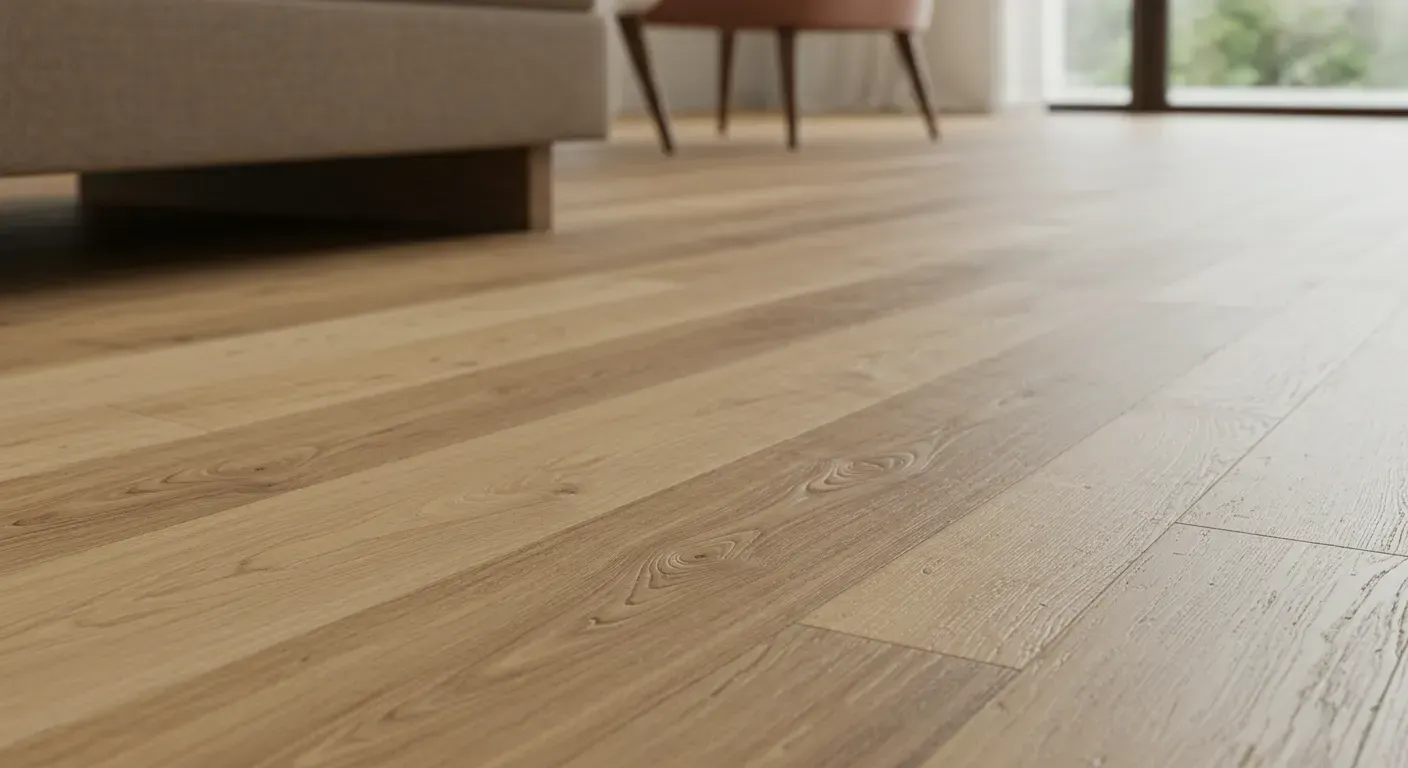
By Wholesale Carpets, Wholesale Carpets
Maximizing space in small rooms is a common challenge for homeowners and renters. The right flooring significantly affects how spacious a room appears and deserves careful selection. This article reviews flooring options that enhance aesthetics and create the perception of additional space, covering recommended floor types, the influence of color and pattern, installation guidance, and affordable sources. Applying these elements will help make a compact room more functional and inviting.
Which Flooring Types Best Enhance Small Room Space?
Choosing the right flooring is essential to visually expand compact rooms. Carpet and luxury vinyl plank (LVP) are two popular options with distinct advantages: carpet provides warmth and acoustic comfort, while LVP offers versatility and durable performance. Both can create a continuous surface that guides the eye and enlarges perceived space.
How Do Carpet and Luxury Vinyl Planks Visually Expand Rooms?
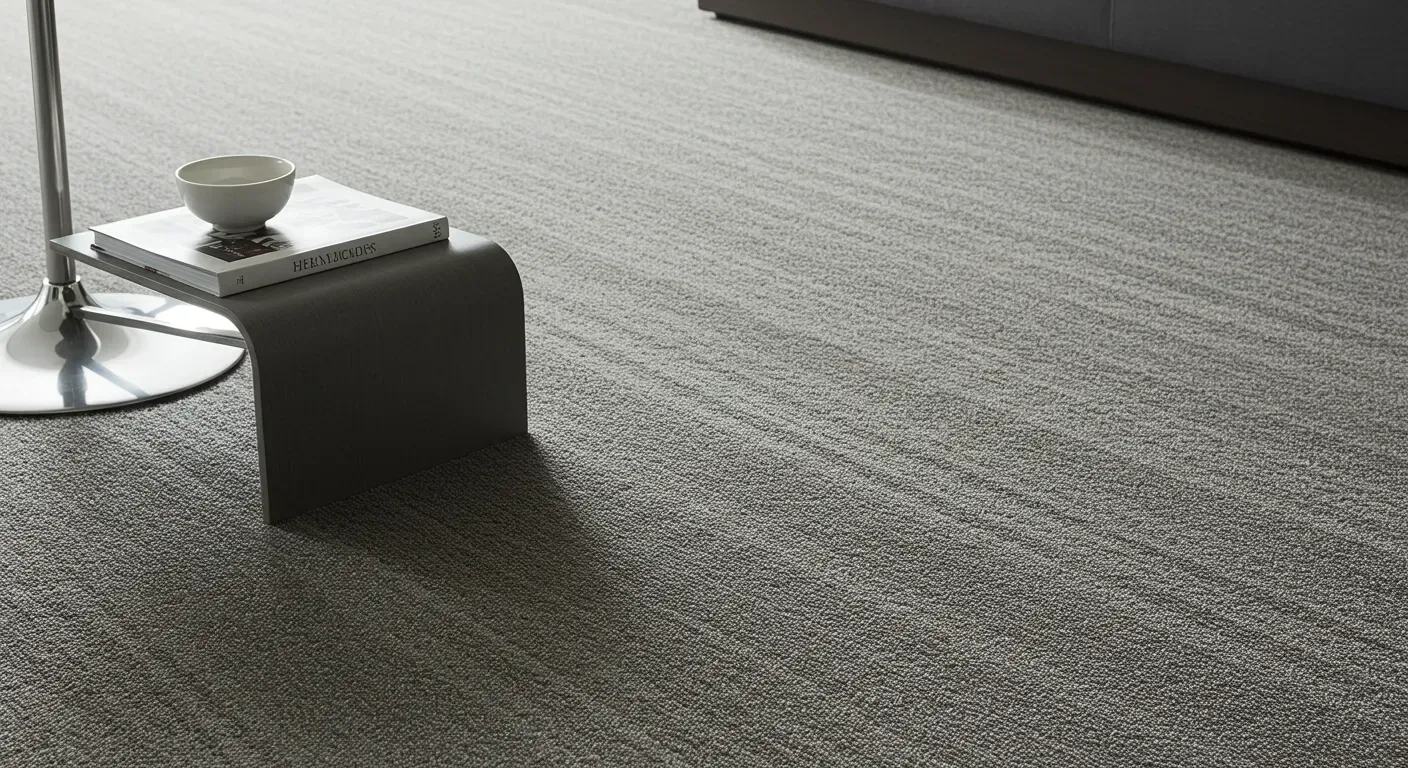
Carpet and LVP expand a room visually through color, texture and pattern. Light-colored carpets reflect more light for an airier feel, while LVP can mimic wood or stone to add visual depth. Using larger planks or tiles reduces visible joints and extends sightlines. Carpeting’s acoustic dampening also contributes to a calmer, less cramped atmosphere.
What Are the Durability and Affordability Benefits of These Flooring Options?
When evaluating small-space flooring, durability and cost-effectiveness are primary considerations. Carpet and LVP offer long service life at accessible price points. Carpet typically costs $2–$6 per square foot; luxury vinyl plank commonly ranges $3–$5 per square foot. Both tolerate everyday wear in high-traffic areas and require straightforward maintenance to protect your investment.
How Do Color and Pattern Choices Affect the Perception of Room Size?
Flooring color and pattern strongly influence perceived room size. Lighter tones open a space, while darker hues can make it feel smaller and cozier. Pattern selection also matters: certain layouts produce visual effects that increase the sense of openness.
Research indicates that interior design decisions, including flooring selections, can alter visual perception of a room’s size and character without structural changes.
Optical Illusions in Interior Design for Space Perception
Beyond physical alterations, design strategies and optical techniques can change how interior space is perceived. Without demolitions or new walls, a room can be visually enlarged, deepened, widened, raised, narrowed or lowered. Elements such as color, lighting, furniture placement, horizontal or vertical lines, shapes, mirrors and finishing materials influence scale, proportion and mood. Effective combinations of perceptual principles and design practice produce significant results.
Perception and illusion in interior design, A Jaglarz, 2011
What Are the Benefits of Light Color Flooring for Small Spaces?
Light-colored flooring increases reflected natural light, making small rooms feel brighter and more open—especially where windows are limited. Pale tones also promote a calm, welcoming atmosphere.
Which Flooring Patterns Create the Illusion of Larger Rooms?
Certain patterns create an impression of greater space. Diagonal layouts extend sightlines outward; linear or striped arrangements lengthen a room. Geometric patterns can add visual interest while maintaining a sense of openness when used in moderation.
What Installation Tips Optimize Flooring to Maximize Space?
Accurate installation further optimizes flooring performance in compact rooms. Plank and tile orientation affects perception, so plan layout and installation details carefully before you begin.
How Does Plank Orientation Influence Room Dimensions?
Plank orientation changes perceived dimensions. Laying planks parallel to the longest wall makes a room appear longer; diagonal layouts introduce movement and can visually broaden narrow spaces. Choose an orientation that complements room proportions and traffic flow.
What Are Practical Installation Methods for Small Room Flooring?
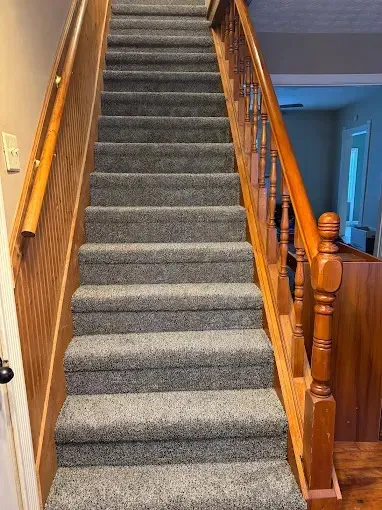
For small-room installations, ensure the subfloor is level and clean to prevent future issues. Consider underlayment for comfort and sound reduction. If planning a DIY fit, review the manufacturer’s installation requirements for the selected material to achieve a durable, professional finish.
Where Can You Find Affordable Flooring Solutions That Save Space?
Sourcing affordable flooring allows you to improve a small room without exceeding budget. Many suppliers offer product ranges that accommodate different price points and design preferences.
How Does Wholesale Carpet Co Offer Value in Carpet and Vinyl Planks?
Wholesale Carpet Co is an affordable supplier specializing in carpet and luxury vinyl plank products. The company offers a broad selection of styles and colors to match small-room requirements. With competitive pricing and an emphasis on quality, Wholesale Carpet Co enables space improvements without overspending.
What Customer Testimonials Support Our Flooring Recommendations?
Customer feedback underscores the impact of appropriate flooring in small spaces. Many customers report that lighter colors and more open patterns make their rooms feel noticeably larger and more inviting. These testimonials support the role of considered flooring choices in transforming compact areas.
Frequently Asked Questions
What flooring options are best for small rooms besides carpet and luxury vinyl planks?
In addition to carpet and LVP, laminate, engineered hardwood and tile suit small rooms. Laminate is cost-effective and available in many finishes; engineered hardwood delivers an authentic wood appearance with improved moisture resistance; large-format tiles create a seamless surface that enhances perceived space. Select light tones or simple patterns to maximize the effect.
How can I maintain my flooring to ensure it lasts in a small space?
Maintenance depends on material. Vacuum carpets regularly and treat stains promptly. Sweep and mop LVP occasionally with a mild cleaner to avoid residue. For hardwood and laminate, use a damp mop and prevent excess water. Regular care preserves the finish and prolongs service life.
What role does lighting play in enhancing the appearance of flooring in small rooms?
Lighting greatly affects how flooring reads in a compact room. Natural light amplifies the reflective qualities of light-colored floors, increasing openness. Well-placed artificial lighting—recessed fixtures or floor lamps—can accentuate texture and color. Combining ambient and task lighting creates warmth and improves spatial perception.
Are there eco-friendly flooring options suitable for small spaces?
Several eco-friendly floors suit small spaces. Bamboo is a sustainable, durable option; cork provides natural insulation and underfoot comfort; reclaimed wood adds character while reducing environmental impact. These choices may also support improved indoor air quality.
How can I choose the right flooring color to match my small room’s decor?
Choose flooring color by assessing existing decor and the mood you want. Light shades—soft whites or pastels—produce a bright, airy effect; neutral tones such as beige or gray offer a versatile backdrop. If furnishings are bold, select a more subdued floor to balance the room. Also consider natural light levels, since color perception changes throughout the day.
What are some common mistakes to avoid when selecting flooring for small rooms?
Common errors include picking dark colors that make a room feel cramped, choosing overly busy patterns that overwhelm, and ignoring continuity with adjacent spaces. Failing to consider the scale of planks or tiles can produce a disjointed appearance. Opt for flooring that complements room size and the home’s overall flow.


