

Key Questions to Ask Your Flooring Installers Before Installation

By Wholesale Carpets
Selecting the correct flooring affects both appearance and function. Before you engage an installer, ask targeted questions to ensure the installation proceeds without delay. This guide outlines the inquiries that help you assess installer qualifications, prepare your property, and compare installation needs for different floor coverings. Addressing these areas reduces common risks and helps ensure the final result meets your expectations. The article covers qualifications and certifications, preparation, installation considerations by product type, and warranty and post-installation support.
Essential Qualifications to Look for in Flooring Installers

Verifying an installer’s qualifications is essential. Certifications and formal training indicate adherence to industry standards and reduce the likelihood of installation errors. A qualified installer demonstrates experience with multiple materials and recognised installation techniques. The following section explains which credentials to look for and how to confirm them.
Which Industry Certifications Ensure Installer Expertise?
Industry certifications signal practical competency. Certifications from bodies such as the National Wood Flooring Association () or the International Certified Flooring Installers Association () are widely recognised. These programmes require demonstrable knowledge of specific flooring systems and installation methods, helping ensure the installer is prepared for your project.
How to Verify Installer Experience and Licensing?
Ask the installer for documentary proof of licensing and training. Request copies of licences, references from recent clients, and certificates from completed training courses. Check online reviews and ratings for independent feedback. Confirming these items reduces the risk of defects and project delays.
What Preparation Questions Should You Ask Before Flooring Installation?
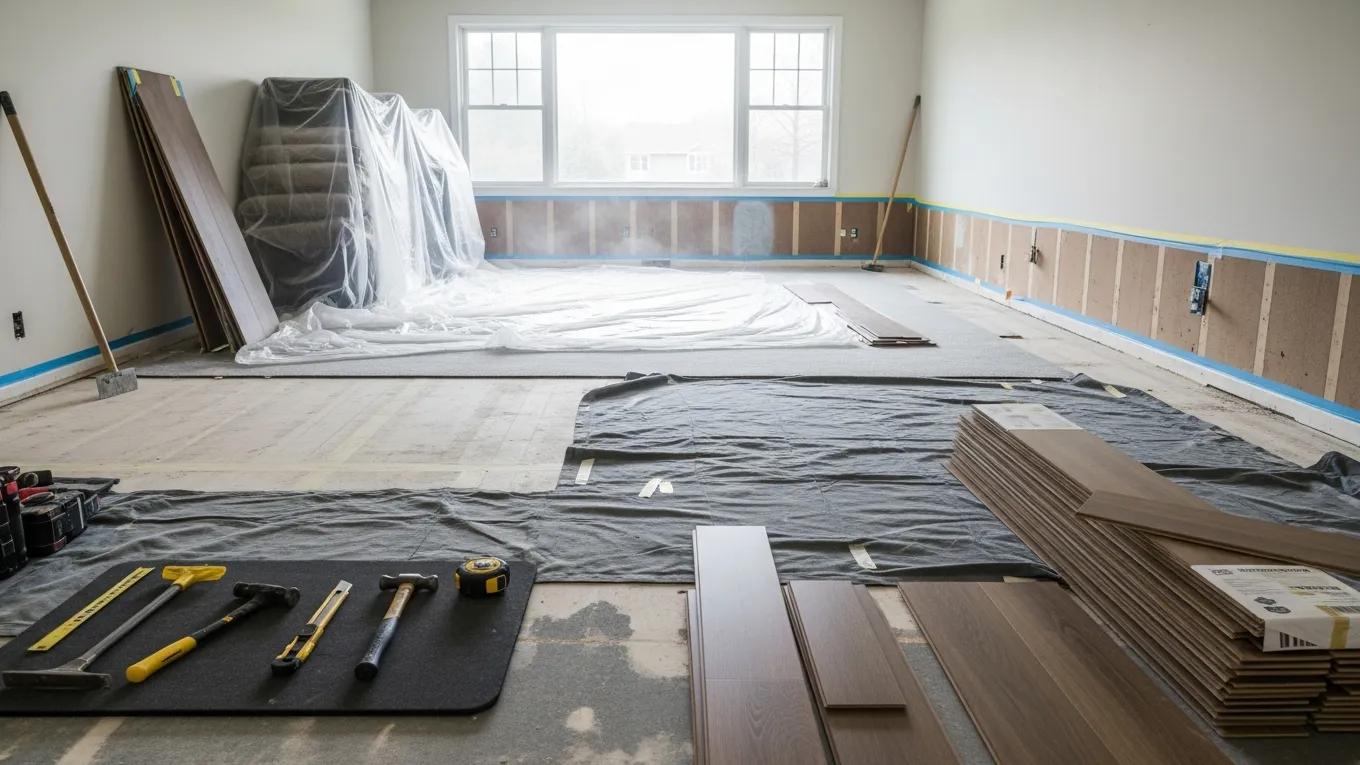
Proper preparation promotes a timely, durable installation. Ask specific questions to ensure the space, access, and substrate are ready. The following notes cover essential preparation steps and common omissions to avoid.
How Should You Prepare Your Home for Installation Day?
Prepare the room by removing furniture and obstacles from the work area. Inspect the subfloor for damage and arrange repairs before installation. Ensure clear access for installers and materials so the team can work efficiently and safely.
What Materials and Tools Will the Installer Use?
Confirm which materials and tools the installer will supply. Typical materials include underlayment, adhesives, and the floor covering itself, whether carpet, hardwood, or luxury vinyl planks. Standard tools include saws, trowels, and nail guns. Knowing these details helps you set expectations and budget for any additional requirements.
Flooring Installation Technology: Processes & Quality Standards
This article reviews floor construction technology with emphasis on the sequence of installation processes, structural components and technical requirements. It highlights the need for correct base preparation, subfloor installation, insulation layers, screed application and finishing works. The study analyses modern construction materials and technologies used in flooring systems. Special attention is paid to quality control, durability and compliance with engineering standards. The authors conclude that correct execution at each stage ensures long-term performance, safety and efficiency of floor structures.
FLOOR CONSTRUCTION TECHNOLOGY: SEQUENCE, COMPONENTS AND TECHNICAL REQUIREMENTS, 2026
This resource further emphasizes the critical nature of understanding the entire process, from base preparation to finishing works, for long-term performance and safety.
How Do Flooring Product Types Affect Installation Questions?
Each flooring category has distinct installation requirements. Understanding these differences helps you ask the right technical questions and choose the option that best suits your schedule, budget, and performance needs. The next section compares common considerations for carpet and luxury vinyl planks.
What Installation Considerations Are Unique to Carpet?
Carpet installation has specific substrate and fitting requirements. The subfloor must be clean, dry, and level before laying carpet. Installers often use stretching tools and pads to achieve a correct fit and proper tension. Awareness of these steps helps you coordinate preparation and confirm that the installer uses industry-standard methods.
What Should You Know About Installing Luxury Vinyl Planks?
Installing luxury vinyl planks requires attention to acclimation and substrate condition. Planks typically need time to adjust to the room’s temperature and humidity before fitting. LVP can often be installed over existing flooring, which may reduce labour and cost if the substrate is sound. These factors affect the schedule and budget, so discuss them with your installer.
What Warranty and Post-Installation Support Questions Should You Ask?
Warranty terms and post-installation support determine how issues are handled after completion. Ask precise questions about what the installer covers and the procedures for service. Clear information on warranty scope and support options protects your investment.
What Warranty Coverage Does the Installer Provide?
Request a written description of warranty coverage and its duration. Warranties may cover material defects, installation faults and certain types of wear. Ask for specifics on what is excluded and the process for submitting claims. Detailed information helps you compare proposals and select reliable protection.
How Can You Access Post-Installation Support and Service?
Clarify how to obtain post-installation service, whether by direct contact with the installer or through a customer service channel. Confirm expected response times and the escalation process for unresolved issues. Knowing the support pathway ensures prompt resolution if problems arise.
Frequently Asked Questions
What are the common mistakes to avoid during flooring installation?
Common errors include inadequate subfloor preparation, failing to acclimate materials, and not following manufacturer instructions. An unclean, damp, or uneven subfloor can cause warping or uneven surfaces. Skipping acclimation may lead to dimensional changes after installation. Discuss these points with your installer to avoid costly corrective work.
How long does a typical flooring installation take?
Installation time varies by material, area size, and complexity. A straightforward laminate or vinyl fit in a standard room often takes one to two days. Hardwood or carpet projects may require additional time for acclimation, substrate repairs, and detailed finishing. Confirm timelines with your installer to set realistic expectations.
What should you do if you notice issues after installation?
If you observe gaps, buckling, or uneven surfaces, contact your installer immediately. Many reputable installers provide a warranty or post-installation support that covers specific issues. Document defects with photographs and notes, and refer to your warranty terms when requesting remedial work. Prompt reporting facilitates timely resolution.
Can you install new flooring over existing flooring?
In some cases, new flooring can be installed over existing surfaces, depending on the materials. Luxury vinyl planks (LVP) are commonly designed for this approach, enabling faster and often more economical installation. Ensure the existing floor is in good condition, level, and clean before proceeding. Consult your installer to confirm suitability for your situation.
What factors influence the cost of flooring installation?
Costs depend on the flooring material, area size, labour rates, and any preparatory work required. Premium materials such as hardwood or natural stone typically incur higher installation costs than laminate or vinyl. Subfloor repairs, complex layouts, and special finishes also increase expense. Request a detailed estimate to understand the cost breakdown.
How can you ensure the longevity of your new flooring?
Routine maintenance preserves performance and appearance. Follow manufacturer care instructions, use recommended cleaning products, and protect floors from excess moisture and heavy furniture. Place mats at entryways to limit dirt and debris. Regular inspections and prompt attention to issues help extend the service life of your flooring.


