

LVP vs Hardwood Flooring: Benefits, Durability & Cost Comparison
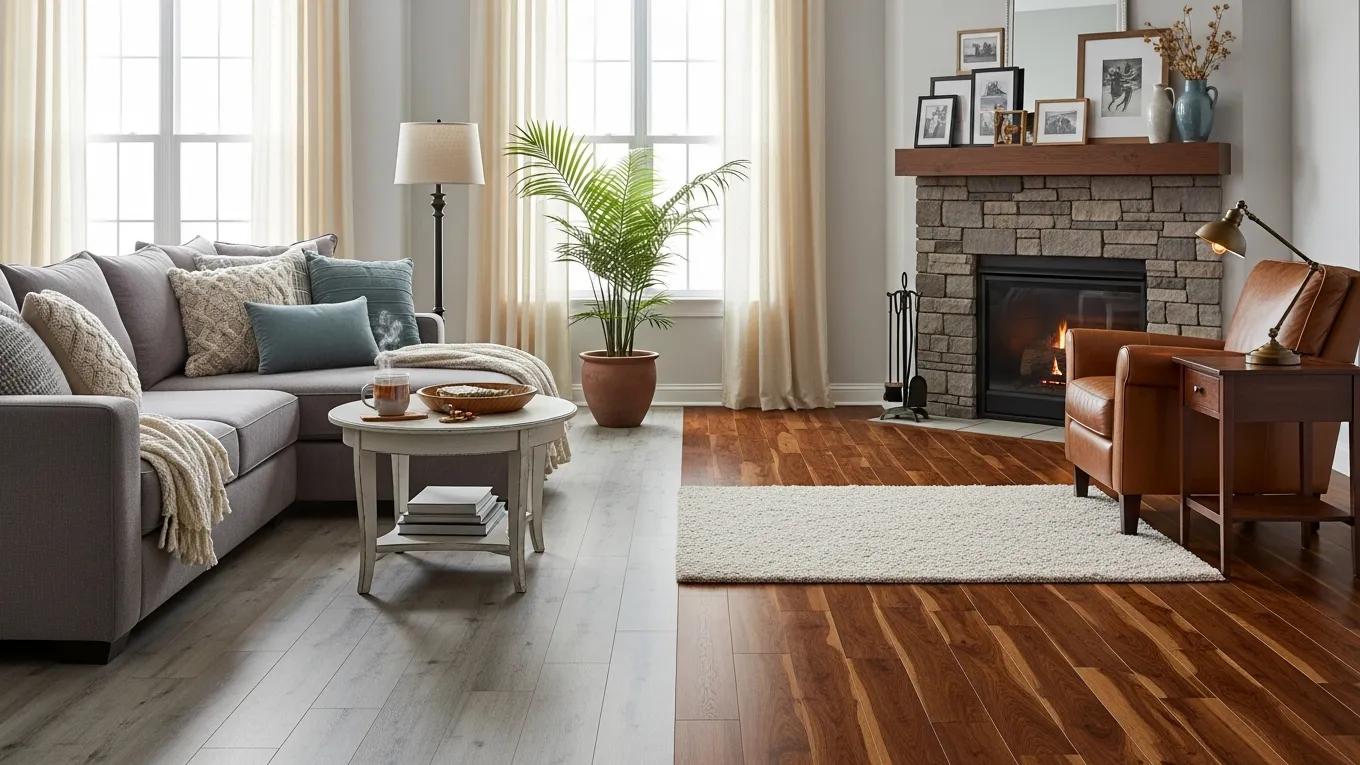
Choosing between Luxury Vinyl Plank (LVP) and hardwood means weighing appearance, durability, maintenance, and cost. This article compares benefits, expected service life, installation and upkeep costs, plus suitability for high-traffic and moisture-prone areas to help you choose the right flooring for your home.
Comparison of Luxury Vinyl Plank (LVP) Flooring vs. Hardwood Flooring
LVP is a manufactured product designed to mimic natural wood; hardwood is solid or engineered wood. Key differences include materials, installation methods, and performance under moisture and heavy use. Understanding these distinctions helps match flooring to your property’s needs and lifestyle.
Benefits:
Each flooring type offers advantages for different homeowner priorities.
- Durability of LVP: LVP resists wear and heavy foot traffic, a practical choice for busy households.
- Aesthetic Appeal of Hardwood: Hardwood provides a timeless look that can boost home value.
- Maintenance Requirements: LVP generally needs less upkeep than hardwood due to greater scratch and stain resistance.
Use these points to prioritise durability, appearance, or maintenance when selecting flooring.
Key Benefits of LVP vs. Hardwood Flooring
LVP typically outperforms hardwood in moisture and scratch resistance. It resists dents and holds up well in homes with pets. Hardwood is sturdy but more vulnerable to moisture and heavy impacts, and it requires more careful maintenance. Consider the room use and maintenance commitment when choosing.
Costs:
LVP usually costs less upfront and to install than hardwood. Material prices commonly range from $2–$7 per sq ft for LVP versus $3–$15 for hardwood; installation for LVP is often simpler, while hardwood can require more skilled labour. Factor material cost, installation, and expected service life when budgeting.
What Are the Key Benefits of Luxury Vinyl Plank Flooring?
LVP offers practical benefits suited to many households.
- Durability: Resists scratches, stains, and moisture—good for families and pets.
- Cost-Effectiveness: Lower material and installation costs than many hardwoods.
- Variety of Styles: Wide selection of colours, textures, and plank formats to match decor.
These make LVP a versatile, budget-friendly option where appearance and performance must be balanced.
How Does LVP Offer Durability and Water Resistance?
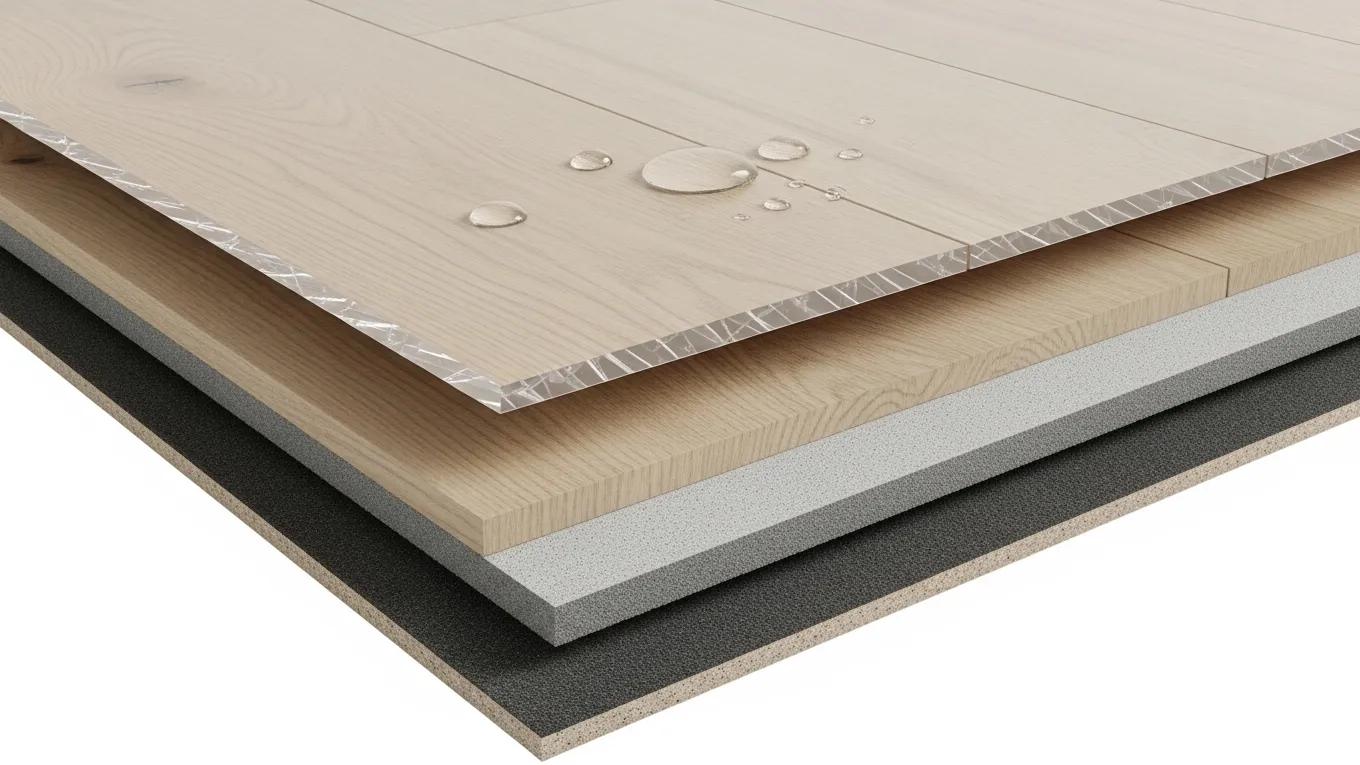
LVP’s layered construction provides protection: a wear layer guards against scratches and stains while a waterproof core prevents moisture penetration. This lets LVP maintain appearance and structure in areas prone to spills or humidity.
What Design and Style Options Does LVP Provide?
LVP comes in many colours, textures, and plank formats that replicate wood, stone, or tile. It supports various installation patterns and finishes to achieve a consistent look across rooms without sacrificing practical performance.
How Does Hardwood Flooring Compare in Cost and Longevity?
Hardwood is often viewed as a premium choice for its natural beauty and long lifespan. While initial costs are higher, hardwood can last several decades with proper care and can be sanded and refinished to renew its appearance.
What Is the Cost Comparison Between Hardwood and LVP Flooring?
Costs vary by product and installation method; consider material, labour, and lifespan when comparing.
| Flooring Type | Average Cost per Square Foot | Installation Cost | Lifespan |
|---|---|---|---|
| LVP | $2 – $7 | $1 – $2 | 10 – 20 years |
| Hardwood | $3 – $15 | $3 – $8 | 25 – 50 years |
The table summarizes typical price and lifespan ranges to aid budgeting and lifecycle planning.
Which Flooring Type Performs Best in High Traffic and Moisture-Prone Areas?
For high-traffic or moisture-prone areas, LVP is generally the better performer. Its water-resistant construction suits kitchens, bathrooms, and entryways, and its wear layer reduces visible damage from heavy use. Hardwood can be used in these spaces but usually needs extra precautions and maintenance to prevent warping or staining.
Is LVP More Suitable for Kitchens and Bathrooms Than Hardwood?
Yes. LVP tolerates spills and moisture with less risk to structural integrity, allowing wood-look flooring in wet areas without the higher maintenance burden of solid hardwood.
How Does Hardwood Flooring Hold Up in High-traffic Spaces?
Hardwood can perform well in busy areas but is more susceptible to scratches and dents. Periodic refinishing and resealing restore appearance and protect against wear; consider traffic levels and maintenance willingness before installing hardwood in high-use rooms.
What Are the Installation and Maintenance Considerations for LVP and Hardwood?
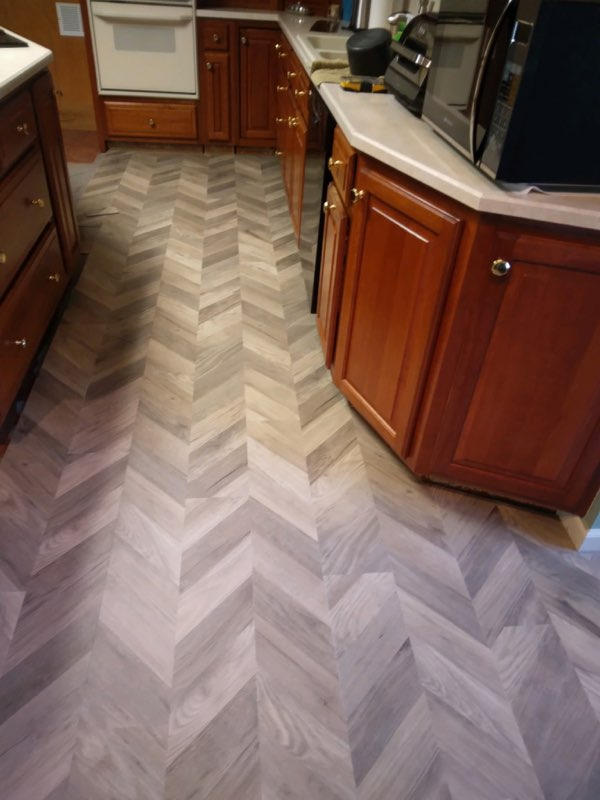
LVP often installs faster and with less labour—commonly as a floating floor—and requires simple upkeep: sweeping and occasional mopping. Hardwood typically needs professional installation and ongoing care, including refinishing to address wear.
What Installation Methods Are Used for LVP and Hardwood Flooring?
LVP installation methods include:
- Floating Installation: Planks connect without glue or nails for easier removal.
- Glue-Down Installation: Planks are adhered to the subfloor for stability.
- Click-Lock Installation: Planks snap together for quick installation.
Hardwood is usually installed using:
- Nail-Down Installation: Planks are nailed to the subfloor for a secure fit.
- Glue-Down Installation: Hardwood can also be glued for added stability.
- Staple-Down Installation: Common for engineered hardwood.
How Do Maintenance Requirements Differ Between LVP and Hardwood?
LVP needs minimal upkeep—regular sweeping and occasional damp mopping with a mild cleaner. Hardwood requires more careful maintenance, periodic refinishing, and resealing to guard against scratches and moisture. Maintenance accounts for a substantial portion of a floor’s lifecycle cost and should be included in long-term planning.
Flooring Maintenance: Impact on Life Cycle Costs & Environmental Scores
Maintenance procedures may account for a significant portion of environmental and economic impacts of floorings. In the case of environmental scores, adding high maintenance to the life cycle can increase scores by anywhere from 31 % (hardwood) to 114 % (carpet). A sensitivity analysis of these scores shows that most of the score increase can be attributed to vacuuming. Maintenance costs considerably increase the total cost, accounting for 49 % of hardwood’s total cost and about 30 % of costs for linoleum, vinyl, and carpet. The expected service life of the home greatly influences which flooring is best, as costs and environmental scores change dynamically over time.
Impact of maintenance on life cycle impact and cost assessment for residential flooring options, 2015
Frequently Asked Questions
What are the environmental impacts of LVP and hardwood flooring?
Hardwood can be more sustainable when sourced responsibly and has a long service life. LVP is synthetic with higher production emissions for some products, but its durability and lower replacement rate can reduce overall waste. Consider sourcing, longevity, and disposal when evaluating environmental impact.
Can LVP be installed over existing flooring?
Often yes—if the existing floor is level, clean, and dry. Always follow manufacturer guidelines for underlayment and substrate preparation to maintain warranty coverage and long-term performance.
How does humidity affect hardwood flooring compared to LVP?
Hardwood expands and contracts with humidity fluctuations, which can cause gaps or warping. LVP is more dimensionally stable and better suited to basements or areas with variable humidity.
What is the lifespan of LVP compared to hardwood flooring?
LVP generally lasts 10–20 years, depending on quality and care. Hardwood can last 25–50+ years with maintenance and refinishing. Choose based on desired longevity, budget, and maintenance tolerance.
Are there any health concerns associated with LVP or hardwood flooring?
Some LVP products may emit VOCs; many manufacturers now offer low- or zero‑VOC options. Hardwood typically has lower material emissions but requires cleaning to manage allergens. Look for certifications like FloorScore or GREENGUARD for indoor air quality assurance.
What are the best cleaning practices for LVP and hardwood flooring?
For LVP: sweep or vacuum regularly and use occasional damp mopping with a recommended mild cleaner; avoid abrasive or harsh chemicals. For hardwood: sweep or vacuum, use wood-specific cleaners, limit water exposure, and follow a refinishing schedule to preserve the finish.


