
LVP vs. Laminate Flooring: Which Is Right for Your Home?
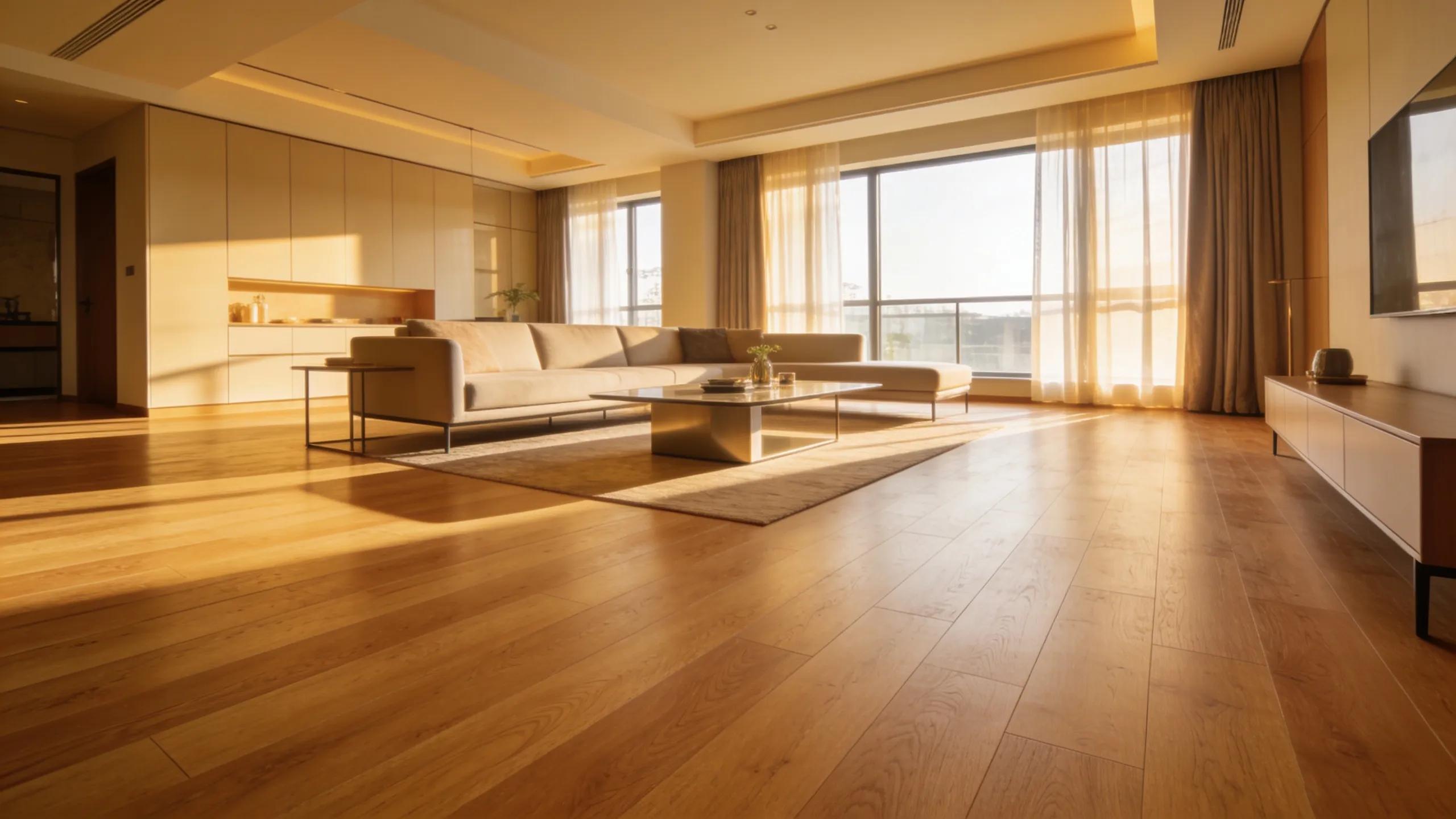
By Wholesale Carpets
Selecting the right flooring affects both appearance and function. Homeowners commonly compare luxury vinyl plank (LVP) and laminate to weigh durability, waterproofing, and cost. This guide reviews those core factors and the practical differences between the two materials to help you choose the option that fits your lifestyle and budget. It also includes guidance from Wholesale Carpet Co to inform your decision.
Durability:
Durability determines how well a floor resists wear and how long it will last. Built for heavy use, LVP generally offers greater resistance to scratches and dents due to its layered construction. Laminate provides reasonable durability but may perform less well in high-traffic areas. For long-term resilience, LVP is typically the better choice.
How Does the Durability of Vinyl Plank Flooring Compare to Laminate?
LVP commonly lasts 15 to 25 years with typical use and proper maintenance; laminate typically endures about 10 to 20 years. Product quality and care influence these ranges, and higher-grade LVP is engineered for improved resistance to moisture and impact.
What Are the Key Differences Between Luxury Vinyl Plank and Laminate Flooring?
Key performance differences include moisture tolerance and construction. LVP performs well in damp conditions and is suitable for kitchens and bathrooms, while laminate has limited moisture resistance. Evaluate your room conditions when choosing between them.
Waterproof Capabilities:
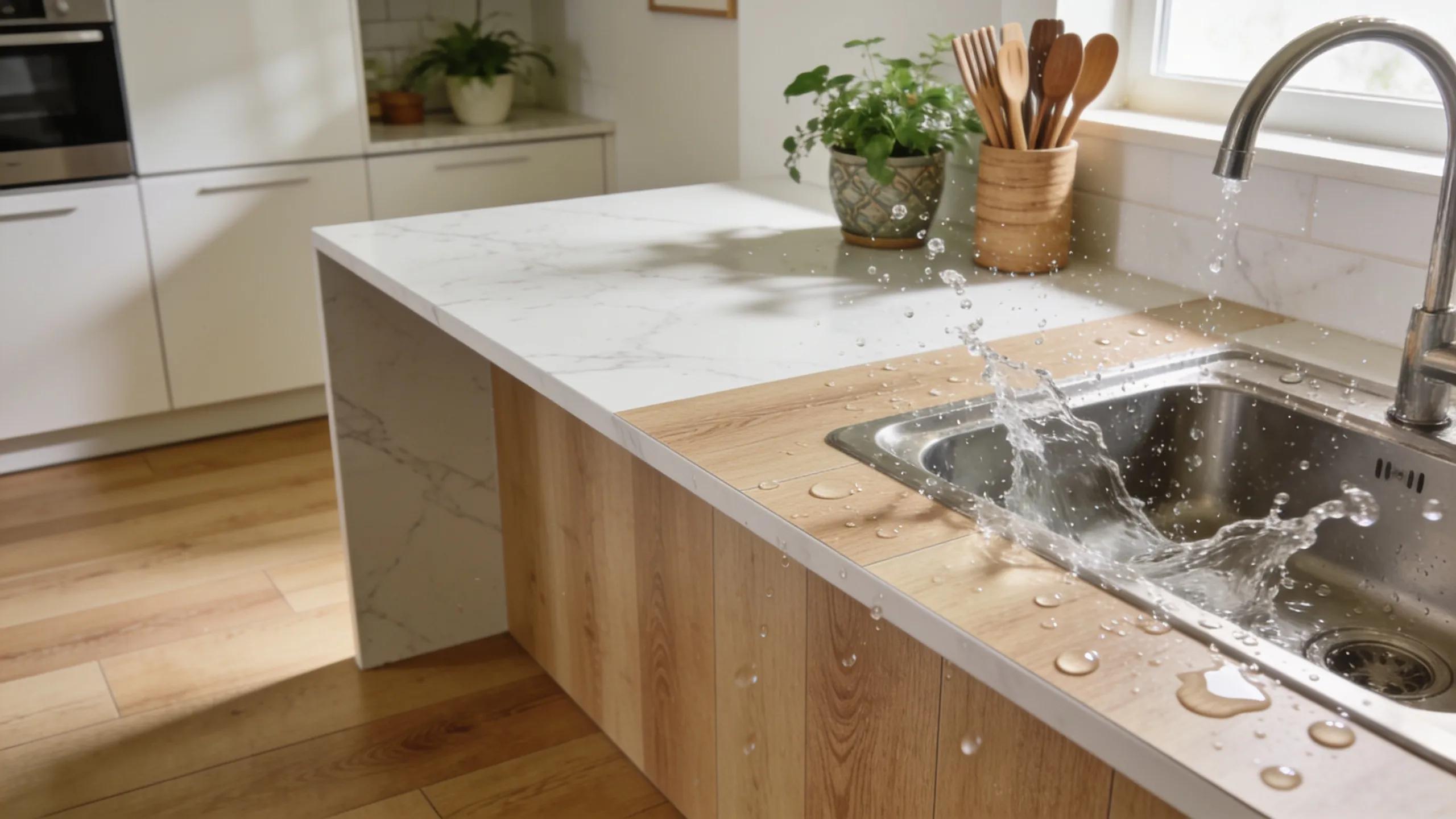
Water resistance is critical for moisture-prone spaces. LVP is typically fully waterproof and works well in kitchens and bathrooms. Laminate is more vulnerable to water damage if spills are not addressed promptly. For consistent moisture protection, LVP is the preferred option.
What Are the Waterproof Flooring Options in LVP and Laminate?
LVP often features a watertight core and a protective wear layer that maintain integrity when exposed to water. Laminate can include water-resistant variants, but these do not match LVP’s full waterproof performance, which matters in wet environments.
Comparing the Durability of LVP vs. Laminate Flooring
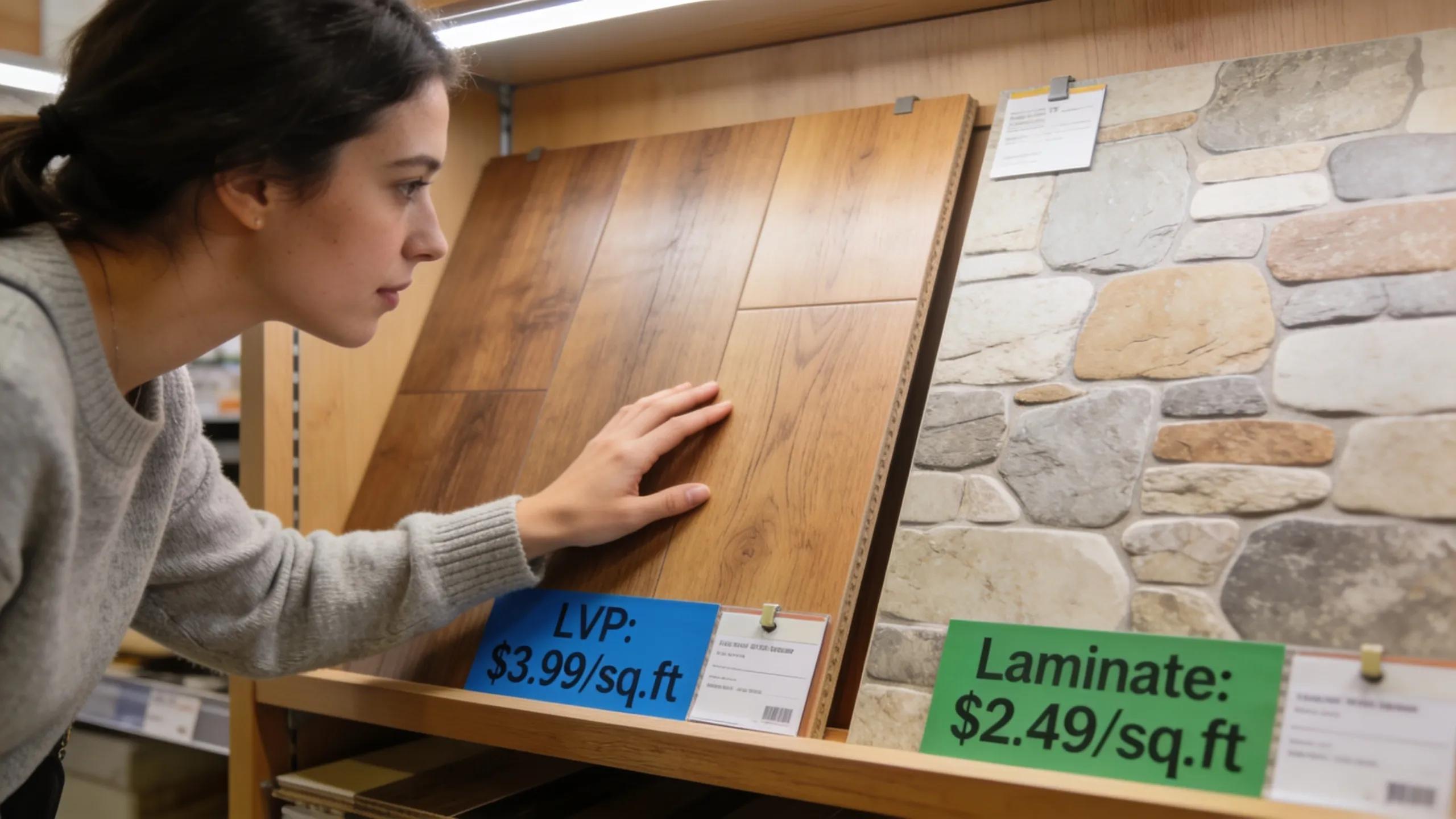
Budget is a key factor for many homeowners. Typical retail prices place LVP between $2 and $5 per square foot, while laminate ranges from about $0.70 to $3 per square foot. Assess both initial cost and projected long-term value when comparing options.
| Flooring Type | Initial Cost per Square Foot | Lifespan (Years) | Long-Term Value |
|---|---|---|---|
| LVP | $2 to $5 | 15 to 25 | High |
| Laminate | $0.70 to $3 | 10 to 20 | Moderate |
Although LVP can cost more initially, its longer lifespan and greater durability often deliver stronger long-term value, particularly in high-traffic or moisture-exposed areas. LVP’s lower maintenance needs can also reduce ongoing costs.
Frequently Asked Questions
1. Can Luxury Vinyl Plank be installed over existing flooring?
Yes. LVP can frequently be installed over existing floors if the surface is level, dry and clean, which can save on removal costs. Verify the manufacturer’s installation guidelines, since underlayment type and the condition of the original floor affect suitability.
2. What are the maintenance requirements for LVP compared to laminate?
LVP requires minimal maintenance—regular sweeping and occasional mopping with a damp cloth or mild cleaner. Laminate also cleans easily but typically needs more care to avoid scratches and water damage. Follow the specific care instructions for the product you choose.
3. How do the acoustic properties differ between LVP and laminate flooring?
LVP’s dense construction usually offers better sound absorption, reducing noise from foot traffic. Laminate can be louder without a sound-absorbing underlayment. Selecting an appropriate underlayment improves acoustics for both materials.
4. Are there eco-friendly options available for LVP and laminate flooring?
Both categories include eco-conscious products. Some LVP lines use recycled content and offer PVC-free options, while certain laminate products carry environmental certifications. Look for third-party labels such as FloorScore or GreenGuard to assess environmental performance.
5. Can luxury vinyl plank be repaired easily if damaged?
Minor damage to LVP can often be addressed with a vinyl repair kit, and individual planks can sometimes be replaced without removing the entire floor. Laminate repairs typically require larger-scale replacement, making LVP more convenient for spot repairs.
6. What is the best type of underlayment for each flooring option?
Choose an underlayment designed for the flooring type. LVP benefits from a vinyl-specific underlayment that adds cushioning, sound control and moisture protection. Laminate performs well with foam or cork underlayments for sound reduction and moisture resistance. The correct underlayment improves comfort and performance.
7. How does the warranty differ between LVP and laminate flooring?
Warranty lengths vary by manufacturer and product. LVP commonly carries longer warranties, often 15 to 30 years, while laminate warranties generally range from 10 to 20 years. Review warranty terms to understand coverage for wear and moisture-related issues before purchasing.
Overall, LVP stands out for durability, waterproof performance and long-term value. Laminate remains a budget-friendly choice but may be less suitable in moist or very high-traffic areas. Wholesale Carpet Co offers a range of affordable LVP and laminate products to match different project requirements.
How Do Luxury Vinyl Plank and Laminate Flooring Compare in Cost and Value?
The choice hinges on upfront cost versus long-term value. LVP can cost more initially but its durability and lower maintenance often reduce lifetime expenses. Consider your household’s use patterns to determine the best fit.
How Do Maintenance and Longevity Affect Flooring Value?
Maintenance and lifespan directly affect value. LVP’s lower maintenance needs and longer service life can yield better long-term value. Laminate’s shorter lifespan and moisture sensitivity may lead to earlier replacement.
What Are the Installation Processes and Considerations for LVP vs. Laminate Flooring?
Installation methods differ by product. Many LVP products use click-lock systems that simplify DIY installation, while some laminate installations require glue or fasteners. Assess your skill level or consider professional installation for complex layouts.
Which Flooring Type Offers Easier and More Cost-Effective Installation?
LVP is generally easier to install, especially with click-lock technology, which can reduce labour time. Still, professional installation can improve outcomes for both materials, particularly in challenging spaces or detailed designs.
How Do Installation Timeframes Differ Between LVP and Laminate?
Installation time varies by room size and complexity. LVP can often be installed within a day for a single room, while laminate installations may require more time due to additional preparation and fastening steps.
Which Flooring Style and Design Options Are Best for Your Home: LVP or Laminate?
Style availability differs between the two. LVP offers a wide range of textures and finishes that convincingly mimic wood, stone and tile, while laminate generally focuses on traditional looks. Choose the material that best aligns with your design goals.
What Are the Popular Styles and Finishes Available in Luxury Vinyl Plank?
Popular LVP finishes include rustic wood grains and refined stone textures that help integrate flooring with various décor styles. This versatility explains LVP’s strong appeal among homeowners seeking both performance and aesthetics.
How Does Laminate Flooring Compare in Design Versatility?
Laminate provides several design options but may not match LVP’s level of texture and realism. For homeowners prioritising highly realistic finishes in living spaces, LVP often offers a more convincing choice.


