

Moisture Prevention: Protect Your Flooring From Damage
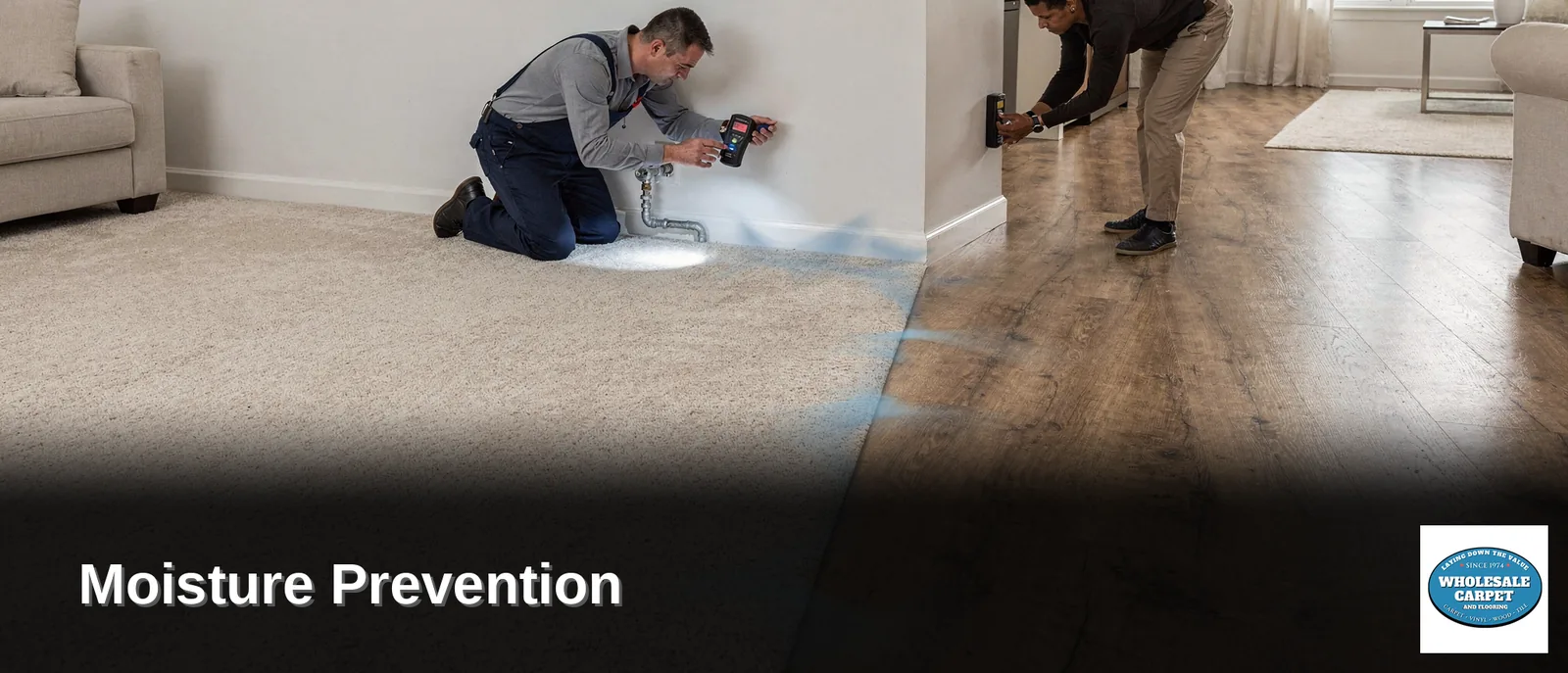
When it comes to moisture prevention, moisture damage in Flooring homes starts below the surface, often invisible until warping or mold appears. Wholesale Carpets tests subfloor moisture levels before installing wood, vinyl, or carpet, and recommends vapor barriers for Indiana’s humidity swings. Proper acclimation of wood flooring and sealed seams in vinyl planks prevent long-term structural and adhesive failure.
Key Takeaways: How to Protect Flooring From Moisture Damage
- Moisture weakens flooring adhesives, causes warping, and promotes mold growth that damages your investment.
- Rising moisture from foundations and spills from daily use represent the two primary moisture sources.
- Professional installation by Wholesale Carpets’ expert team prevents moisture-related failures and protects your warranty.
- Contact Wholesale Carpets at (765) 825-4363 for moisture-resistant flooring solutions throughout central Indiana.
Why Does Moisture Threaten Your Flooring Investment?
Flooring investments face threats from two directions: sudden pipe bursts and slow, hidden leaks. Both scenarios wreak havoc on carpet, hardwood, and vinyl surfaces, regardless of building type or age. Property managers and homeowners often discover the damage only after it has already spread.
Water damage rarely announces itself early. Moisture works beneath the surface long before stains appear on top. This hidden process weakens adhesives, invites mold growth, and warps structural layers—damage that costs far more to fix than early moisture prevention would have required.
What Kind of Damage Does Moisture Cause to Flooring?
Moisture compromises both the durability and safety of flooring systems. Adhesive breakdown loosens planks and tiles. Warping distorts wood and laminate surfaces over time. Left unaddressed, mold in floors disrupts renovation timelines and adds unplanned costs to any repair budget.
Can Professional Installation Alone Prevent Moisture Damage?
No. Even flooring installed by trained professionals stays vulnerable to excess moisture over the years. Proper waterproofing, applied before and after installation, remains the only reliable defense against long-term subfloor dampness.
Consider the common risk points below:
- Burst supply lines beneath kitchens and bathrooms
- Slow leaks behind appliances or along exterior walls
- Rising ground moisture in basements and crawl spaces
- Humidity swings tied to seasonal weather changes
Each risk point deserves attention long before visible damage appears on the surface.
How Can You Stop Moisture Before It Starts?
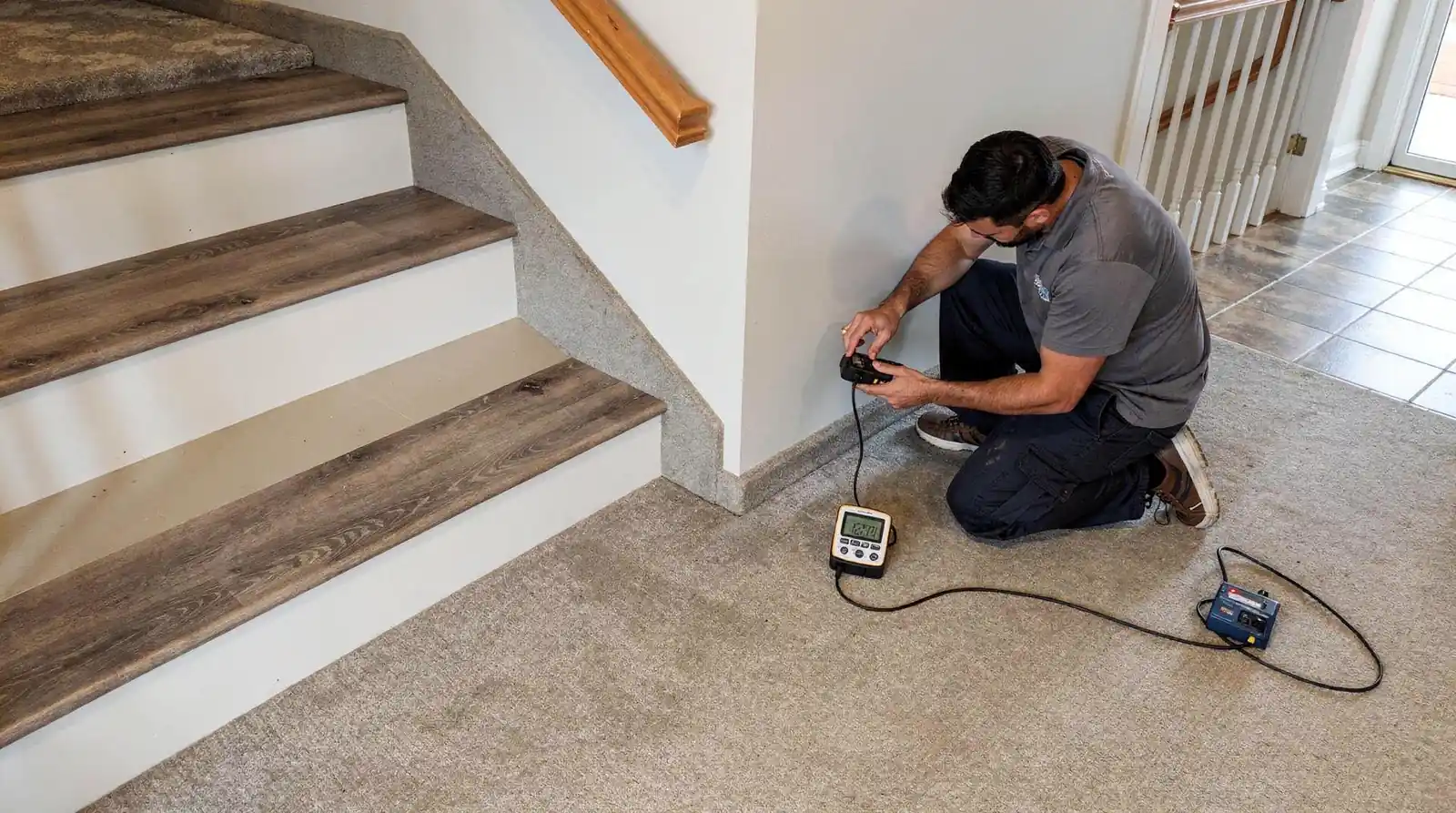
Stopping moisture starts with finding where it originates. Ground moisture, plumbing leaks, and indoor humidity each cause damage differently, so pinpointing the source guides every prevention decision that follows. Skipping this step invites guesswork, and guesswork on a flooring project usually ends in warped boards or lifted seams.
Moisture prevention hinges on testing before a single plank goes down. Checking moisture levels in the subfloor and surrounding air confirms conditions are right for installation, cutting the odds of complications months or years later. This single step separates a flooring job that lasts from one that fails prematurely.
What Humidity Level Is Safe for Flooring?
The National Wood Flooring Association recommends keeping indoor humidity between 35 and 55 percent to protect wood floors. Levels outside that range stress the material daily, even without a visible leak.
Why Does Wood Flooring Swell or Gap?
Sudden temperature and humidity swings force wood to expand and contract unevenly. That movement shows up as swelling, cupping, or gapping between boards, and left unaddressed, it worsens with every seasonal shift.
Consider the difference proper conditions make:
| Condition | Result |
|---|---|
| Humidity 35-a notable share, tested subfloor | Stable, long-lasting installation |
| Untested moisture, humidity swings | Cupping, gaps, adhesive breakdown |
Property managers and homeowners across the region rely on waterproofing measures and professional testing rather than hoping problems never surface. Wholesale Carpets provides expert installation services designed to confirm proper moisture conditions before work begins, protecting the investment from day one.
What Signs of Mold Should Homeowners Watch For?
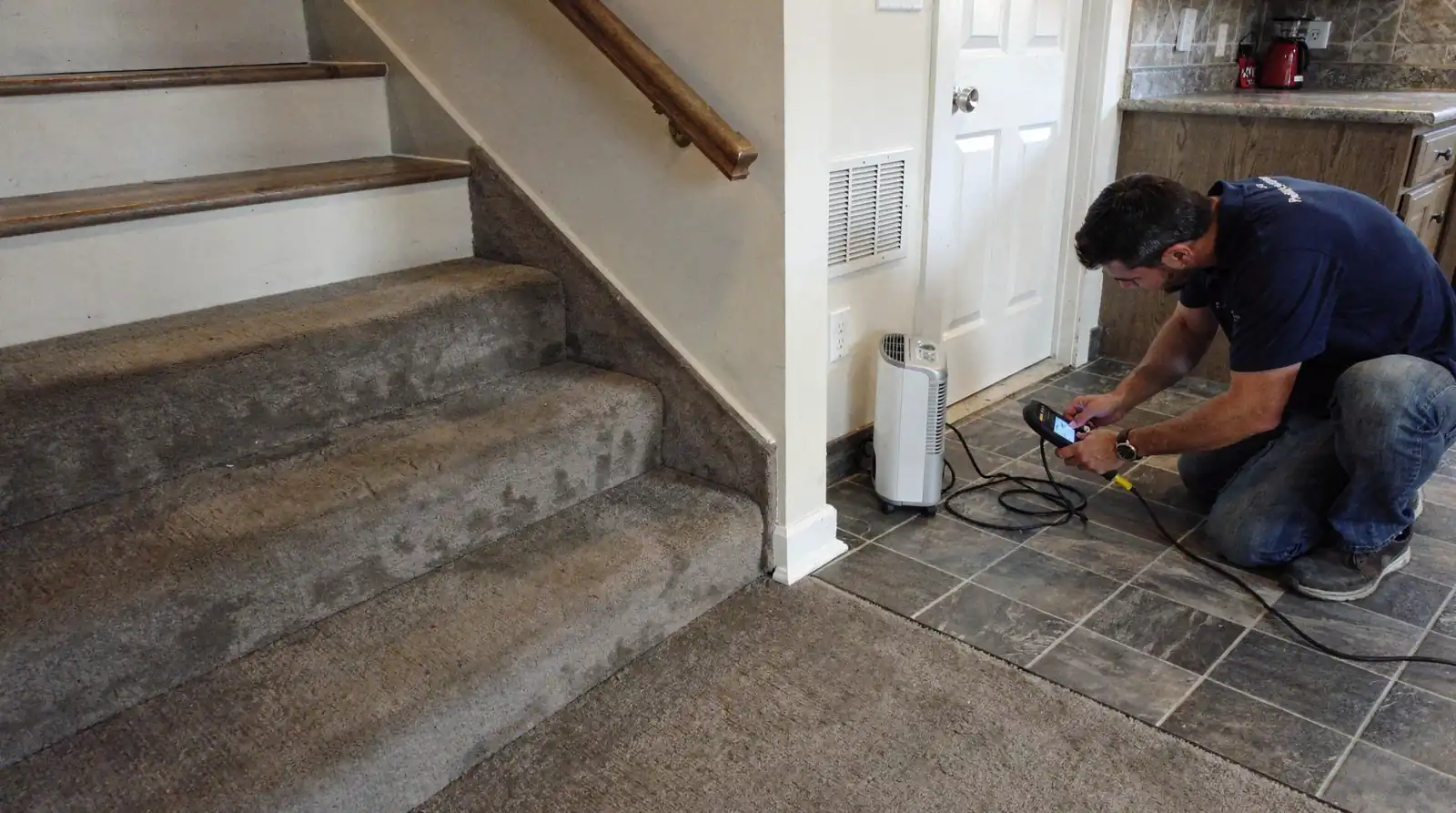
Musty odors, discolored patches, and boards that no longer sit apartment all signal trouble beneath a floor’s surface. Property owners in flooring-heavy homes and commercial spaces often notice these clues long before real damage becomes visible. Trapped moisture doesn’t just dull a floor’s appearance. It weakens adhesives, warps materials, and creates conditions for mold in floors to take hold underneath the surface.
How can homeowners spot cupping before it worsens?
Cupping shows up when the edges of wood planks sit higher than their centers, creating a subtle wave pattern across the floor. This warping is a direct result of excess moisture that went unaddressed. Catching cupping early, before boards crack or separate, gives property owners a much better shot at restoring the floor rather than replacing it.
Other warning signs worth tracking:
- Persistent musty smells near baseboards or seams
- Soft or spongy spots underfoot
- Discoloration or dark staining on grout, seams, or subflooring
- Peeling finish or bubbling in vinyl and laminate
Consistent moisture prevention habits matter more than one-time fixes. Regular inspections, humidity control, and proper waterproofing keep flooring systems sound for years. Wholesale Carpets serves Connersville and surrounding Indiana communities, giving local property owners a nearby resource for flooring protection and consistent brand identification they can rely on.
FAQ
What causes moisture damage in flooring?
Rising ground moisture, plumbing leaks, and indoor humidity swings each introduce moisture differently, weakening adhesives, warping wood and laminate, and promoting mold growth beneath the surface before visible damage appears.
How does Wholesale Carpets protect flooring from moisture?
Wholesale Carpets tests subfloor moisture levels before installing wood, vinyl, or carpet and recommends vapor barriers suited to Indiana’s humidity swings, ensuring proper conditions before installation begins.
Who should I contact for moisture-resistant flooring in Connersville?
Contact Wholesale Carpets at (765) 825-4363 for expert installation and moisture-resistant flooring solutions serving Connersville and surrounding Indiana communities.
Conclusion
In closing, protecting your flooring from moisture damage requires a proactive approach combining proper installation, routine maintenance, and environmental control. By addressing water sources promptly and maintaining appropriate humidity levels, you safeguard your investment for years to come. Whether you’re installing new flooring or maintaining existing surfaces, expert guidance ensures your home or business remains protected. Reach out to Wholesale Carpets in Connersville to discuss moisture-resistant flooring solutions tailored to your specific needs and climate conditions.


