
Why Choose LVP Flooring: Durability and Longevity Guide
By Wholesale Carpets, Wholesale Carpets
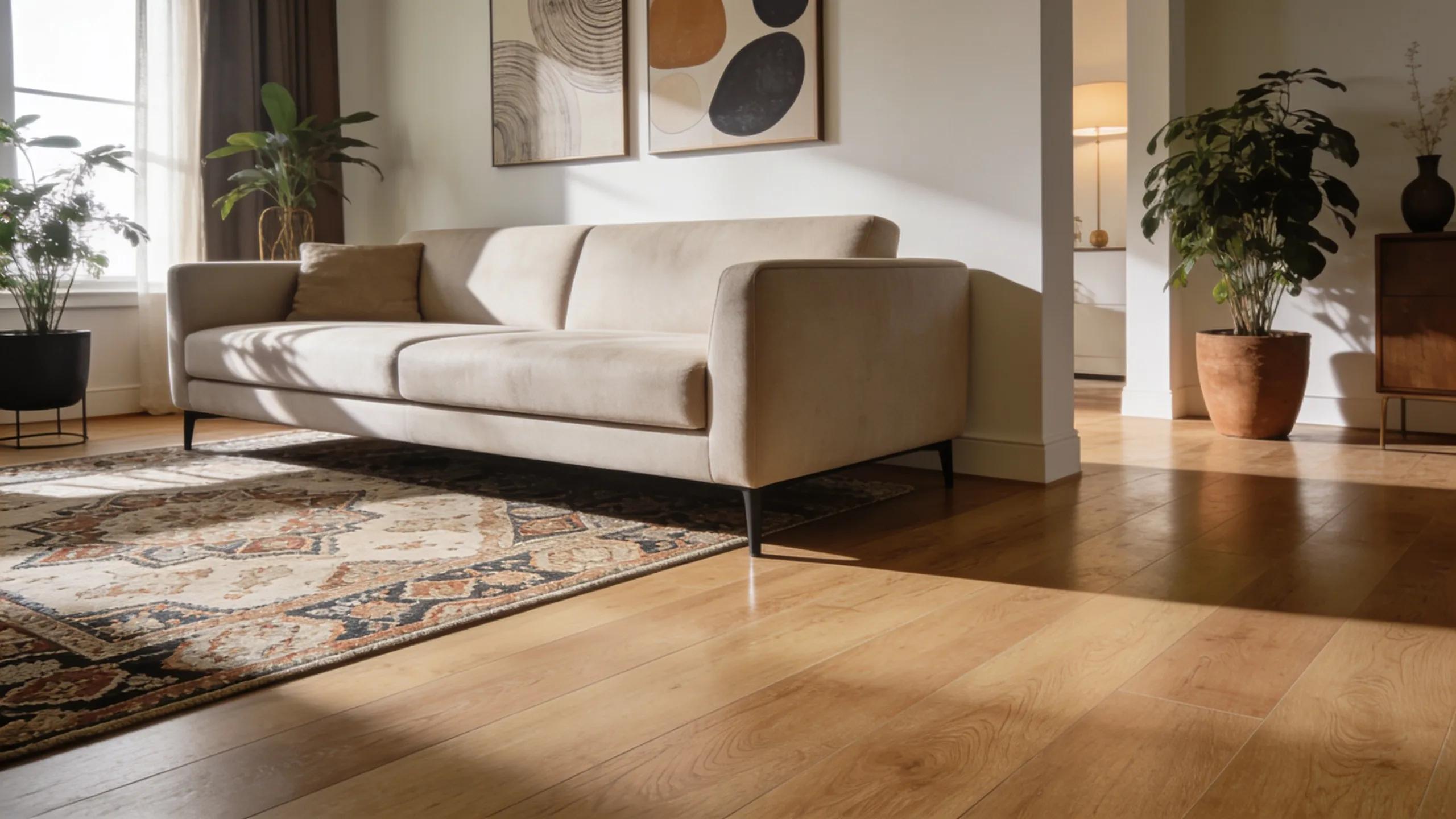
Luxury vinyl plank (LVP) combines realistic appearance with practical performance for residential and commercial use. This guide summarizes the key factors that affect LVP durability—construction, wear layers, water resistance and maintenance—so you can choose and care for LVP with confidence.
Maintenance Requirements
Regular, simple maintenance preserves appearance and service life.
- Regular Cleaning: Sweep or vacuum weekly; mop occasionally with a pH-neutral cleaner.
- Prompt Spill Management: Wipe spills quickly with a soft cloth to avoid staining.
- Avoidance of Harsh Chemicals: Do not use abrasive or ammonia-based cleaners on the surface.
Wholesale Carpet Co. specialises in providing affordable flooring solutions, making it easy for homeowners and contractors to access high-quality LVP options.
What Makes Luxury Vinyl Plank Flooring Scratch Resistant and Durable?
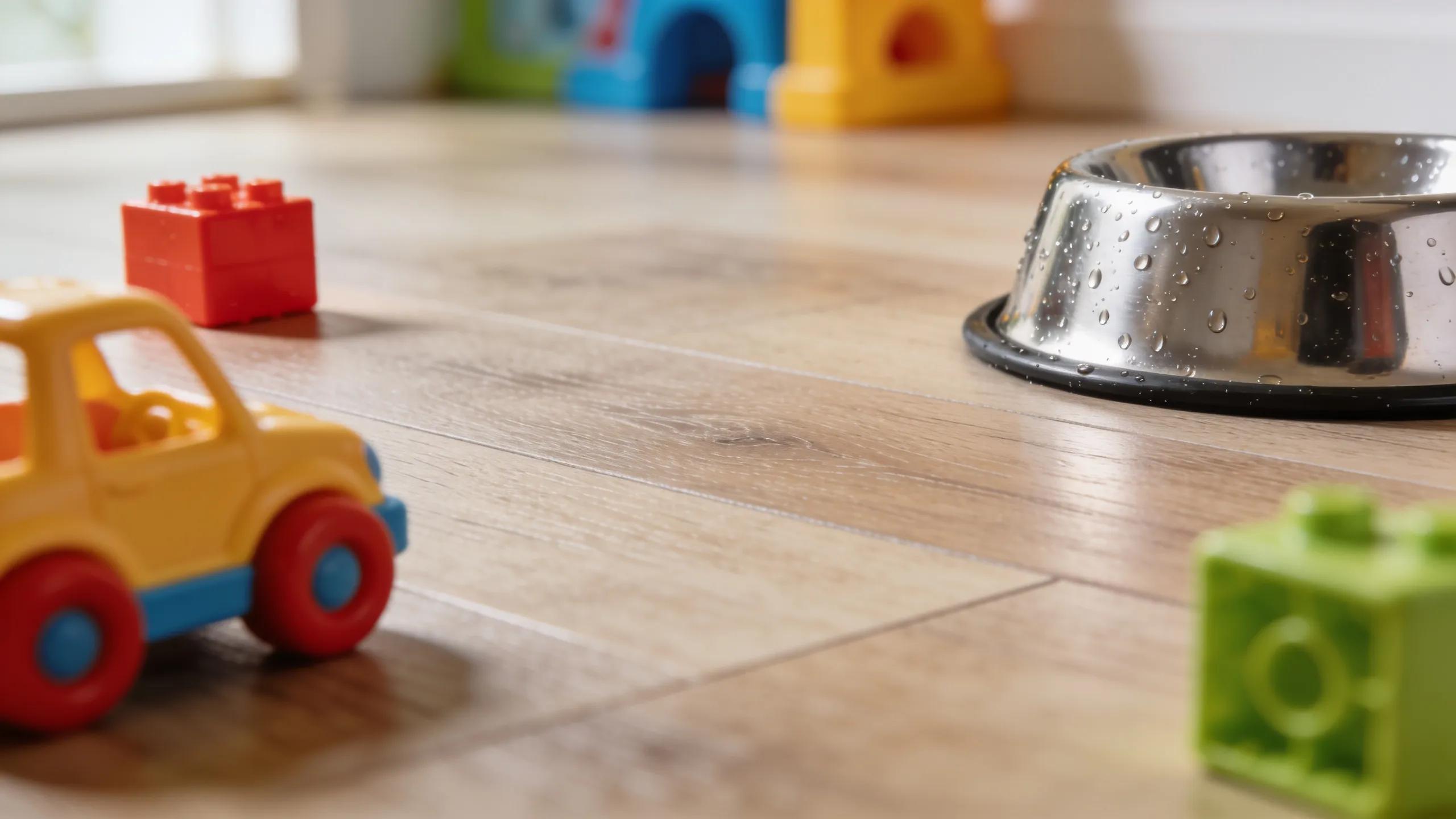
LVP’s multilayer construction gives surface protection, visual design and structural support that together resist everyday damage.
Materials Used
The wear layer (often polyurethane) protects against scratches and stains; the PVC or composite core provides stability.
Manufacturing Processes
Controlled lamination and quality checks improve consistency and help LVP endure heavy foot traffic.
Surface Treatments
Scratch-resistant coatings and waterproof finishes reduce abrasion and limit moisture ingress.
How Does Wear Layer Thickness Affect LVP Scratch Resistance?
Wear layer thickness correlates with abrasion resistance; thicker layers extend usable life in high-traffic areas.
- Impact of Thicker Wear Layers on Scratch Resistance: Wear layers of about 20 mils or more resist scratches and dents better.
- Optimal Thickness Ranges: For most homes, 12–20 mils offers a durable balance of performance and cost.
What Materials and Coatings Enhance Vinyl Plank Durability?
High-performance wear layers and specialised polymer blends increase resistance to scratches, stains and moisture.
- Features of a Strong Wear Layer: Durable polymers and protective finishes improve longevity.
- Examples of Coatings That Enhance Durability: Manufacturer-specific coatings boost scratch resistance and waterproofing.
How Water Resistant Is Vinyl Plank Flooring for Long Lasting Use?
Water-resistant construction limits moisture absorption, making LVP suitable for kitchens, bathrooms and homes with pets.
Properly specified and installed LVP reduces the risk of warping and moisture-related deterioration.
What Technologies Make LVP Flooring Waterproof?
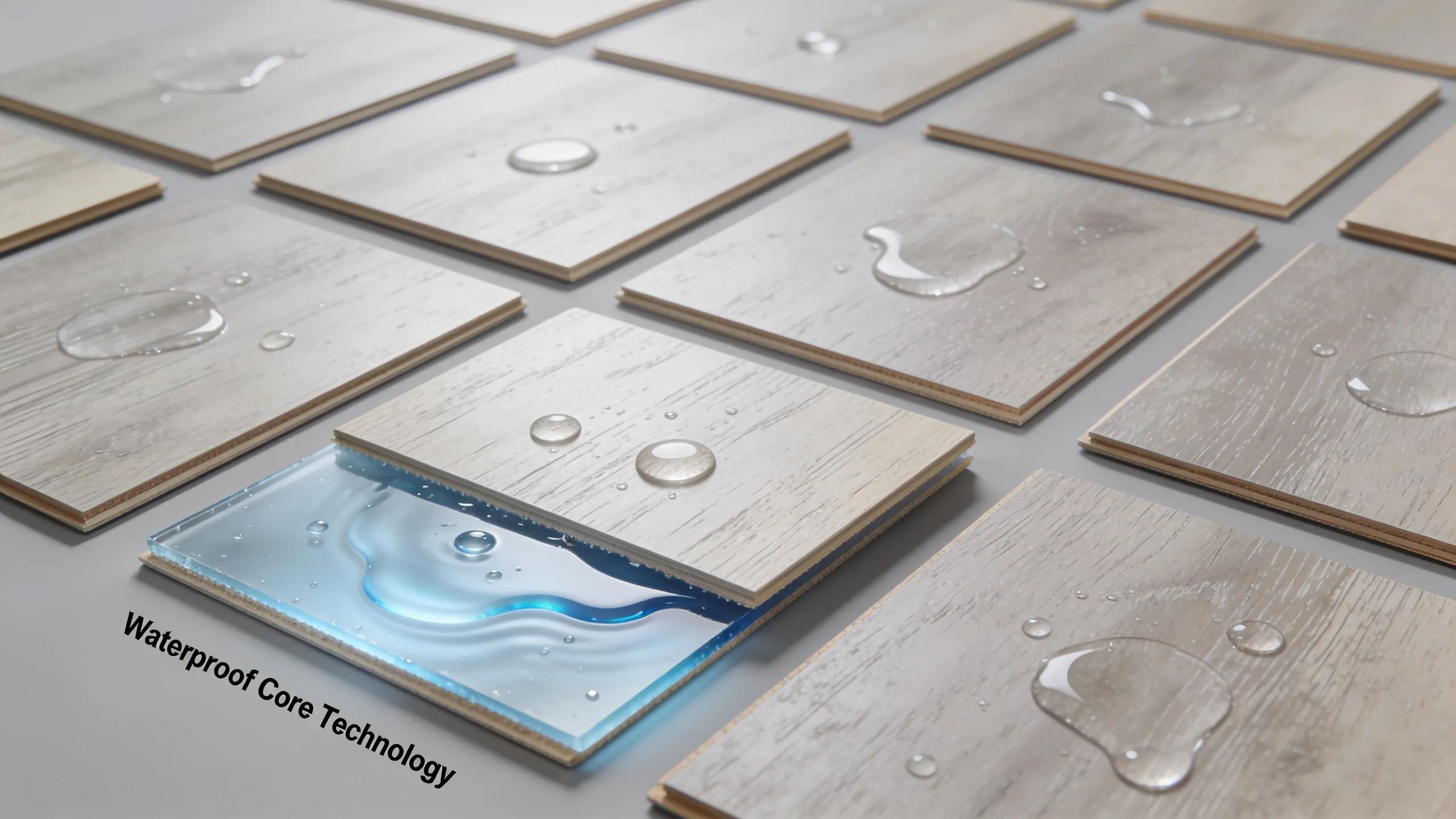
Waterproof performance comes from engineered cores and protective surface layers that block moisture and protect plank structure.
- Overview of Waterproof Core Technology: Many products use waterproof cores to prevent water uptake.
- Protective Wear Layer Details: Wear layers also help keep moisture out while resisting surface damage.
Can LVP Flooring Withstand Moisture in Kitchens and Bathrooms?
When specified and installed correctly, LVP handles ordinary spills and humidity without immediate damage.
- Suitability in Different Environments: LVP performs well in moisture-prone spaces when the product is rated for those areas.
- Best Practices for Installation: Ensure a secure fit and use moisture barriers or recommended underlayments if required.
What Maintenance Practices Ensure the Longevity of Vinyl Plank Flooring?
Routine care and following manufacturer guidance extend LVP life—remove abrasive debris and protect high-use zones.
- Cleaning Recommendations: Use gentle cleaners and remove dirt regularly to prevent scratching.
- Protective Measures for High-Traffic Areas: Area rugs or mats in busy zones reduce wear.
Which Cleaning Tips Protect Scratch Resistance and Water Proofing?
Use recommended cleaners and soft tools, avoid abrasives, and address spills promptly to protect both surface layers and waterproofing.
- Avoiding Harmful Chemicals: Do not use harsh detergents or abrasive pads that can degrade the protective coating.
- Effective Cleaning Methods: Soft mops and cloths with manufacturer-approved cleaners preserve finish and function.
What Warranty and Care Guidelines Support Long Term Use?
Read warranty coverage and follow care instructions to protect warranty validity and prolong service life.
- Common Warranty Terms: Warranties often cover wear and defects for multiple years—check terms carefully.
- Care Practices for Warranty Adherence: Maintain the floor per manufacturer guidelines to keep warranties valid.
Essential Maintenance Practices for LVP Flooring Longevity
LVP pairs water resistance with robust durability, reducing humidity-related risks compared with some floor types.
- Comparative Durability to Hardwood and Laminate: LVP is generally less prone to warping in moist conditions than hardwood or laminate.
- Long-Term Cost Benefits: Durable LVP can lower replacement and repair costs over time.
How Does LVP Compare to Laminate, Hardwood, and Other Flooring Options?
LVP offers superior water resistance to laminate and often a lower price than hardwood while preserving a realistic wood look.
- Strengths and Weaknesses of Each Option: Choose based on moisture exposure, appearance preference and budget.
- Best Use Scenarios: Use LVP for moisture-prone or high-traffic areas; reserve hardwood for drier spaces if desired.
What Benefits Do Homeowners and Contractors Gain from Choosing LVP?
LVP delivers cost-effectiveness, easier installation and durable performance with lower long-term maintenance needs.
- Cost Savings: LVP usually costs less than hardwood while offering similar visual appeal.
- Durability in High-Traffic Areas: Its resilience suits homes with pets or children and busy commercial zones.
The durability and practical advantages of luxury vinyl plank flooring make it a reliable choice for many projects. Knowing how to specify and care for LVP helps ensure years of service.
Frequently Asked Questions
1. How does luxury vinyl plank flooring compare in cost to other flooring options?
LVP is generally more cost-effective than hardwood and many high-end tiles, making it a common option for budget-conscious projects. Prices vary by design and features; typical retail ranges are approximately $2 to $7 per square foot, versus higher ranges for hardwood.
2. What is the lifespan of luxury vinyl plank flooring?
With proper care, LVP can last roughly 10 to 30 years depending on wear layer thickness, product quality and installation. Thicker wear layers and correct installation extend service life.
3. Is luxury vinyl plank flooring environmentally friendly?
Some manufacturers use recycled content and improved environmental practices; LVP can contribute to LEED points. Check brand certifications to evaluate environmental impact.
4. Can LVP be installed over existing flooring?
Yes—LVP is often installed over level, stable surfaces such as vinyl, tile or some hardwood, which can save time and cost. Uneven or damaged substrates should be repaired or leveled before installation.
5. What should I consider when selecting LVP for my home?
Consider wear layer thickness (aim for at least 12 mil for residential use), water resistance, warranty terms and the visual style that fits your decor. Confirm specifications for your application.
6. How do temperature and humidity affect luxury vinyl plank flooring?
Temperature and humidity can influence LVP, especially during installation. Install and acclimate materials in a controlled environment (typical recommendations are between 65°F and 85°F) and maintain stable indoor humidity.
7. Are there specific brands of luxury vinyl plank flooring that are recommended for high-traffic areas?
Brands such as COREtec, Mohawk and Shaw are frequently cited for products suited to heavy use; they commonly offer thicker wear layers and enhanced surface treatments—review product specifications to confirm suitability.


