

When to Replace Flooring: Signs It’s Time
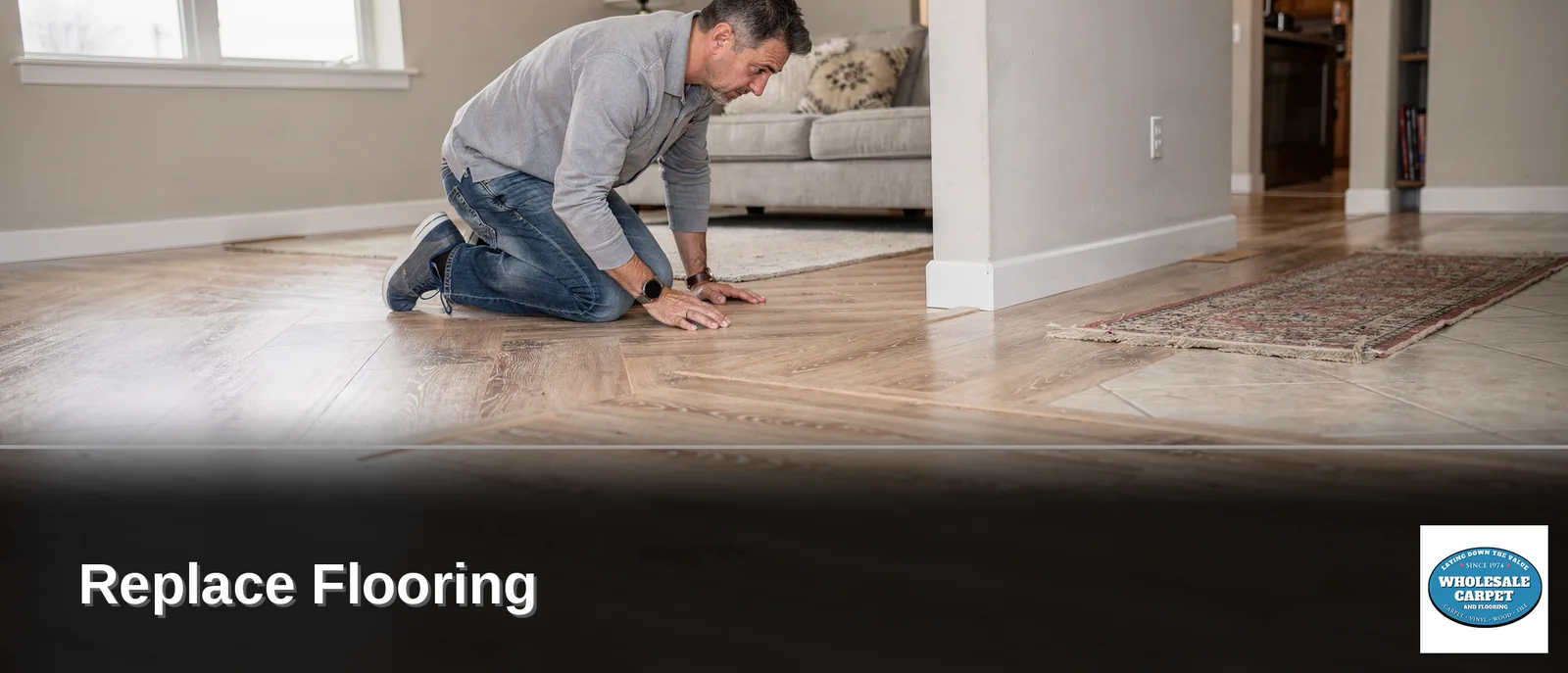
Replacement timing depends on visible damage and daily wear. Water stains, warping, or dark spots signal structural problems requiring immediate attention. Persistent scratches, fading, or squeaky subfloors also indicate deterioration. Wholesale Carpets recommends inspecting flooring for these 12 telltale signs before deciding. Durable options like luxury vinyl planks or hickory wood often outlast surface-level cosmetic concerns.
Key Takeaways: When to Replace Your Flooring
- Water damage requires immediate flooring replacement to prevent structural deterioration and mold growth.
- Visible wear patterns, stains, and discoloration across 12+ months indicate flooring replacement timing.
- Buckling, warping, or loose sections create safety hazards and signal replacement necessity.
- Expert installation from Wholesale Carpets ensures proper flooring replacement throughout Connersville and surrounding communities.
How do you know it’s time to replace flooring?
Dark stains, warped planks, and soft spots underfoot answer the question directly: those signs mean it’s time to replace flooring before the damage spreads. Waiting too long risks structural problems that turn a simple project into a costly repair. Homeowners and property managers who catch these warning signs early save both money and stress.
Water damage ranks among the most obvious red flags. Discoloration, staining, or buckling boards signal that moisture has already compromised the material underneath. The problem rarely stays contained to one spot.
Does normal wear mean flooring needs replacing?
Not immediately, but it does mean the clock is running. Flooring wears down gradually over the years, losing both its original look and its performance underfoot. That gradual decline matters for timing renovation decisions. Flooring that still functions today may fail sooner than expected under daily traffic.
Property owners weighing a replacement should watch for:
- Persistent discoloration or staining that cleaning won’t remove
- Visible warping, buckling, or soft spots
- Noticeable loss of cushioning or surface texture
- Reduced resistance to everyday foot traffic
Wholesale Carpets supports homeowners through consistent brand identification, expert installation services, and dependable project scheduling for replacement projects. Serving Connersville and the surrounding communities, Wholesale Carpets helps residents move from worn, damaged flooring to durable, quality-installed results without unnecessary delay.
When should you avoid replacing your floors?
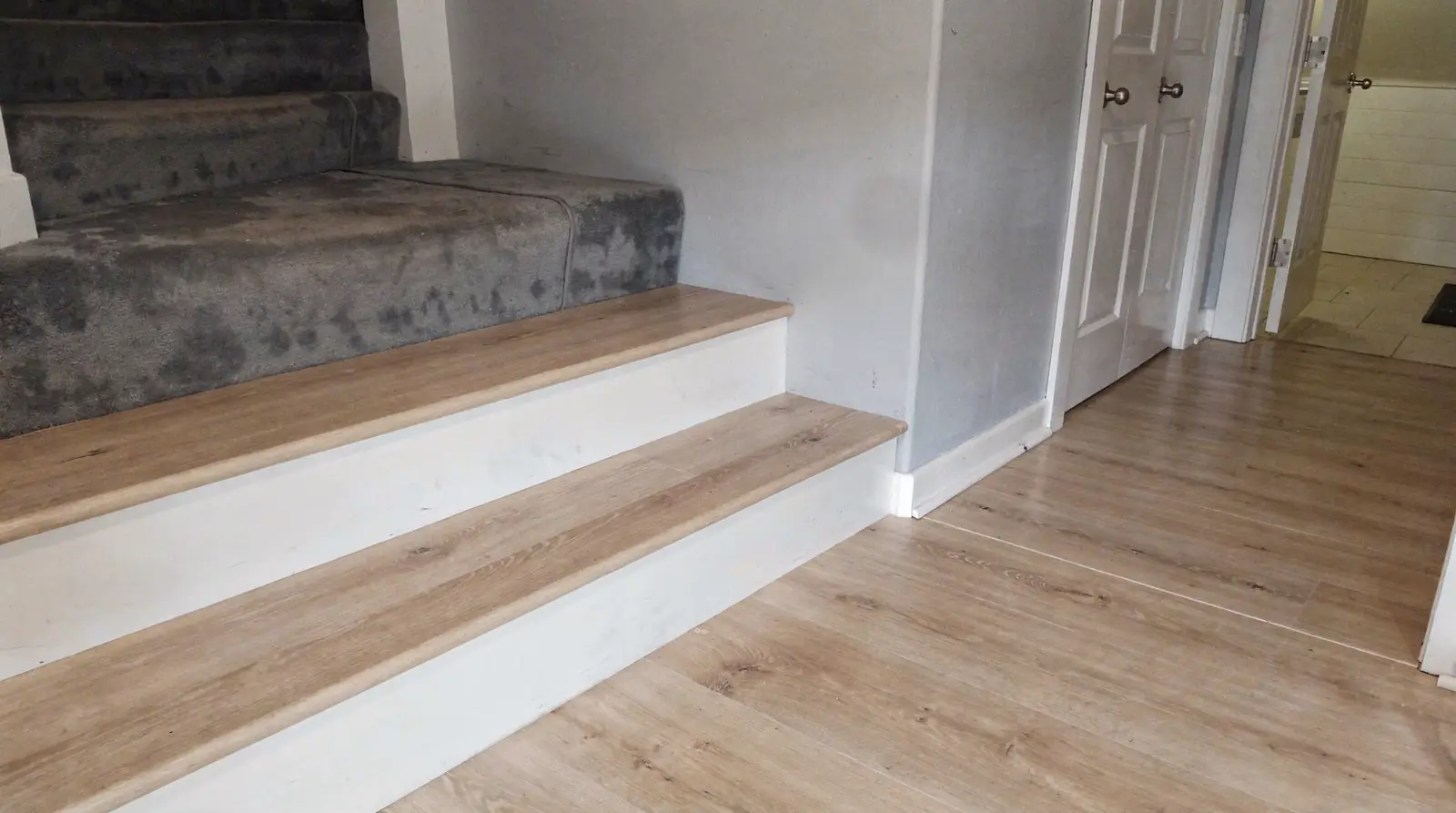
Some floors deserve a second chance rather than a demolition crew. Pale natural wood tones and medium neutral brown shades, like oak, maple, or hickory, rank among the most timeless flooring colors available, meaning a floor in one of these hues rarely needs replacing purely for style reasons.
Minor damage tells a similar story. Scratches, small dents, or a few worn boards typically call for repair rather than a full teardown. Repair works well when the underlying damage stays limited in scope. Choosing to replace flooring before exhausting repair options often wastes money that could go toward smarter upgrades later.
Does Indiana’s climate affect this decision?
Yes. Temperature and humidity swings across Indiana seasons put real stress on certain wood floors. That stress should factor into any repair-or-replace decision. Engineered hardwood planks resist seasonal expansion. Contraction better than solid wood, often extending a floor’s usable life without sacrificing appearance.
How does this affect renovation planning?
Skipping unnecessary replacement simplifies timing renovation decisions and keeps project scheduling on track. Homeowners avoid these pitfalls by checking a few boxes first:
- Confirm the wood tone still fits current style trends.
- Assess whether damage is cosmetic or structural.
- Consider whether engineered wood could outperform the current material.
Consistent brand identification helps homeowners feel confident they’re getting sound guidance, not a sales pitch toward unnecessary work.
How can you schedule a flooring replacement smoothly?
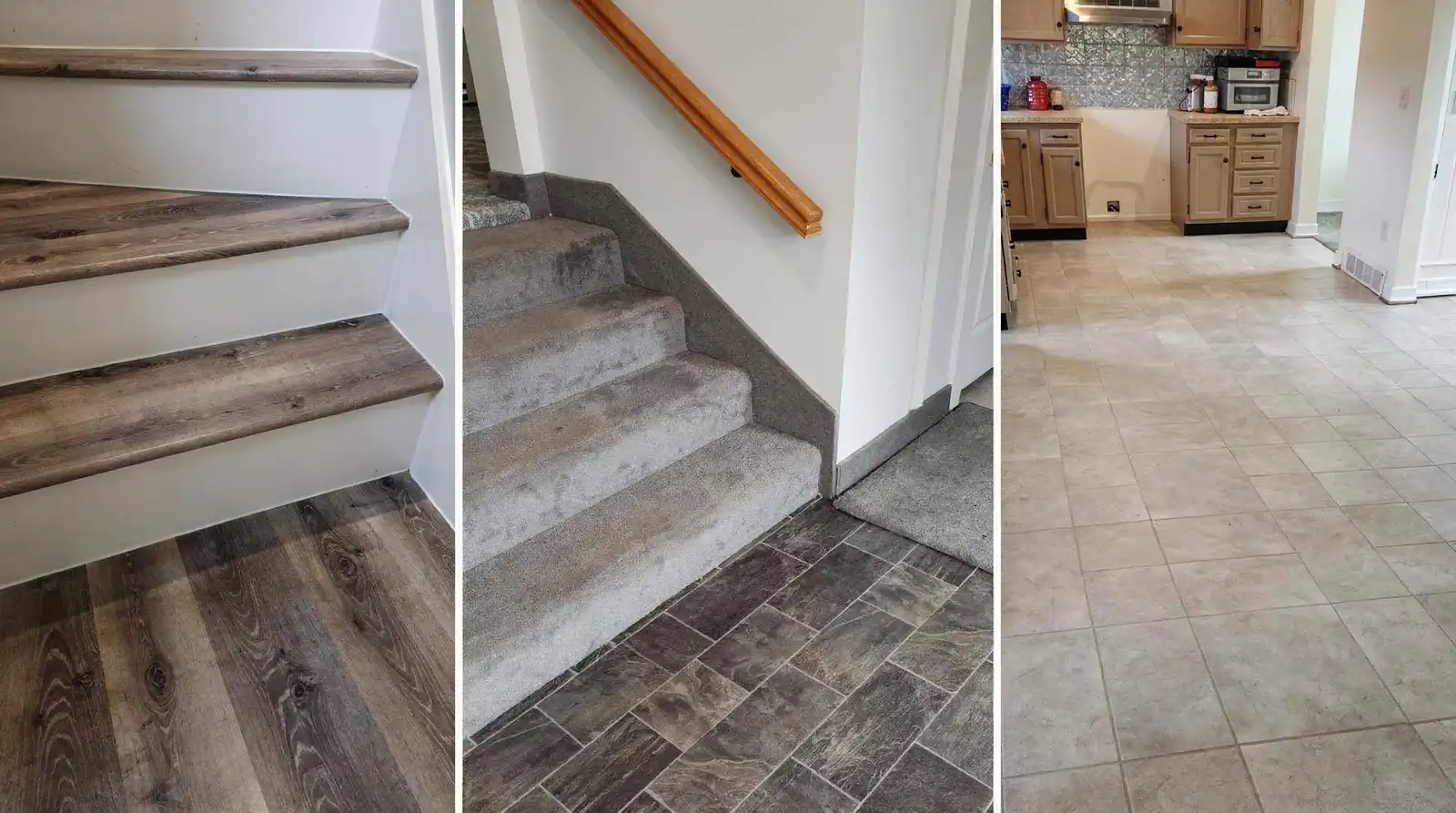
Smooth scheduling starts with identifying which of four common scenarios applies to a home before homeowners replace flooring altogether. Most floor replacement projects fall into a handful of familiar situations, and matching the project to its scenario simplifies timing renovation decisions from the outset.
Homeowners in Brookville, Greensburg, Newcastle, Centerville, Cambridge City, Oxford, Eaton, Liberty, Shelbyville, Richmond, and Rushville, Indiana, gain an advantage: local support for project scheduling sits close by. Reaching out early matters more than most homeowners expect.
How far in advance should a flooring project be scheduled?
Contacting a flooring provider as soon as a replacement decision is made prevents last-minute delays. Wholesale Carpets can be reached by phone at (765) 825-4363 or by email at [email protected] to begin coordinating timing for the job.
Does material availability affect scheduling?
Stocked materials move faster than special orders, and that difference shows up directly on the calendar. Vinyl flooring options, including sheet vinyl and luxury vinyl planks, stay in stock and ready for installation, which shortens the wait between ordering and installation day.
Steps that keep a project on track:
- Identify the scenario driving the replacement
- Contact the provider early by phone or email
- Confirm material availability before setting an install date
- Build in buffer time for unexpected delays
FAQ
How do you know it’s time to replace flooring?
Dark stains, warped planks, and soft spots underfoot signal it’s time to replace flooring before damage spreads. Water damage, indicated by discoloration, staining, or buckling boards, ranks among the most obvious red flags requiring immediate attention.
Does normal wear mean flooring needs replacing?
Not immediately, but it means the clock is running, since flooring gradually loses its look and performance. Watch for persistent discoloration, warping, buckling, soft spots, and reduced resistance to daily foot traffic.
When should you avoid replacing your floors?
Minor damage like scratches, small dents, or a few worn boards typically calls for repair instead of full replacement. Replacing flooring before exhausting repair options often wastes money better spent on future upgrades.
Conclusion
In closing, recognizing the right time to replace your flooring protects your investment and enhances your property’s value and safety. Whether you’re addressing visible wear, structural concerns, or simply refreshing your space, professional guidance ensures you make informed decisions tailored to your specific needs. The flooring experts serving Connersville and surrounding communities stand ready to assess your situation. Deliver quality solutions that balance durability with affordability for your home or business.


